Under The Skin of Stone Island
Why The No Seasons Jacket Is Worth the 30 Year Wait

'Product Anatomy’ is a new monthly series with Dot Dot Dot, dissecting the strategies behind the world’s most in-demand products.
Two buttons, one compass, one patch of fabric on the left sleeve. Depending on who's wearing it, that badge might mean memory, community, strength, fashion, or nothing at all. It lets an English football lifer, a Naples archive dealer and a stylist in Seoul all claim a ‘Stoney’ as theirs. But ask any of them why they bought one, and the answers land in the same place: the fabric. A garment-dyed cotton that ages like nothing else on the rack. A Japanese nylon that moves like liquid. A wool that keeps you warm without weighing you down. The badge gets the attention. The fabric earns the loyalty.
It all goes back to 1982, when Massimo Osti founded the company with a unique idea: create a collection shaped by the perspective of an industrial designer, with the function of the product as the main focus and priority. In 1989 he took it further with a capsule called No Seasons, built on the belief that a good jacket shouldn't belong to one time of year or one trend. Stone Island's product notes at the time pitched it for "golf, sailing, tennis and skiing," and promised it would only ever change to get better, never just to look different. With hindsight, it was the brand at its purest: a company obsessed with fabric, making a line where fabric was the only variable. It ran until 1994, then was shelved.
The experimenting never stopped, and the Stone Island community only grew. A brand that began with a jacket cut from truck tarpaulin became the uniform of the casuals, football fans who swapped club colours for continental labels, and then a fixture of grime and hip-hop. Today Stone Island campaigns read like a roll call of British culture: Skepta, Liam Gallagher, John Glacier, Jason Statham. And through all of it, No Seasons remained in the archive, an idea waiting for its moment.
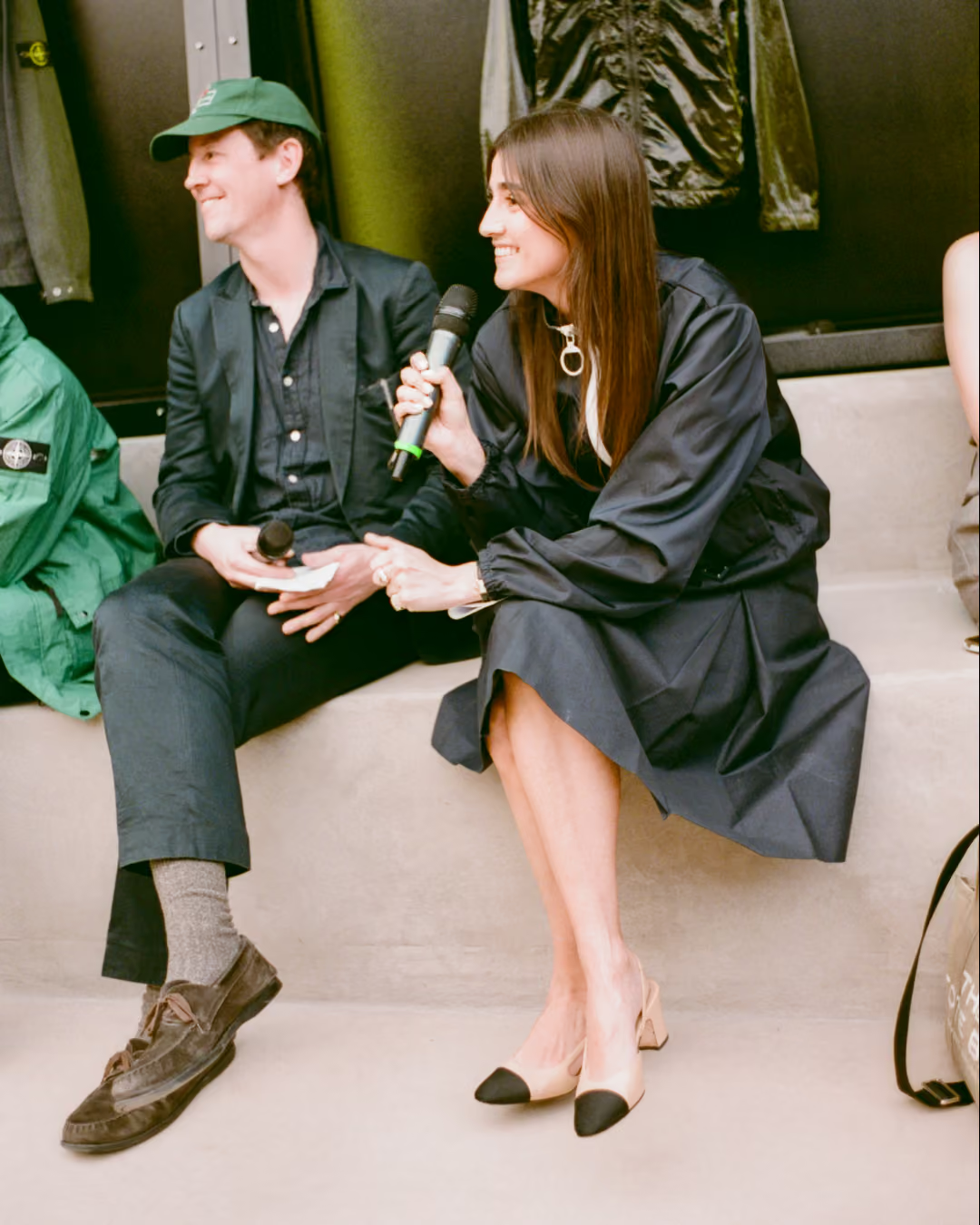
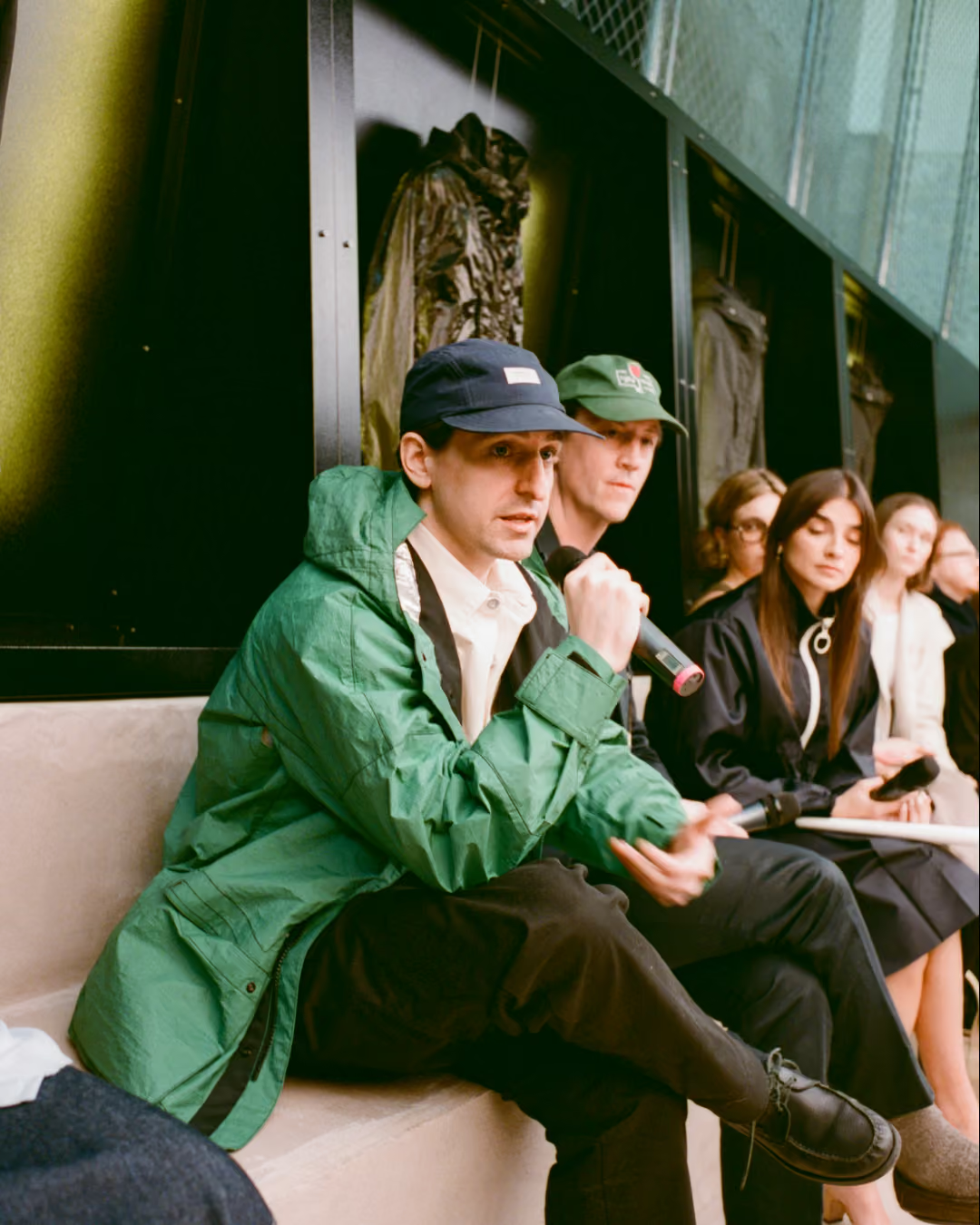
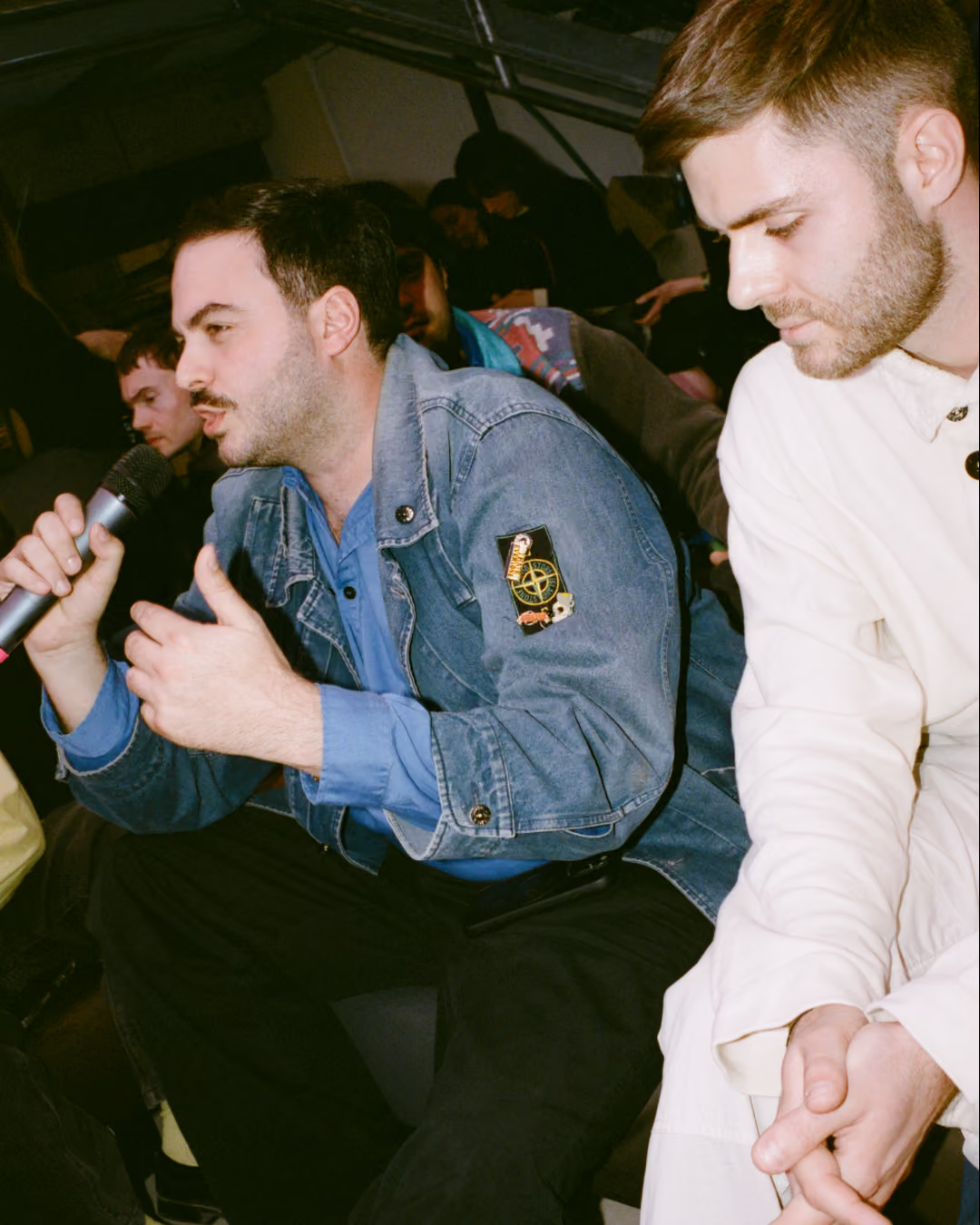
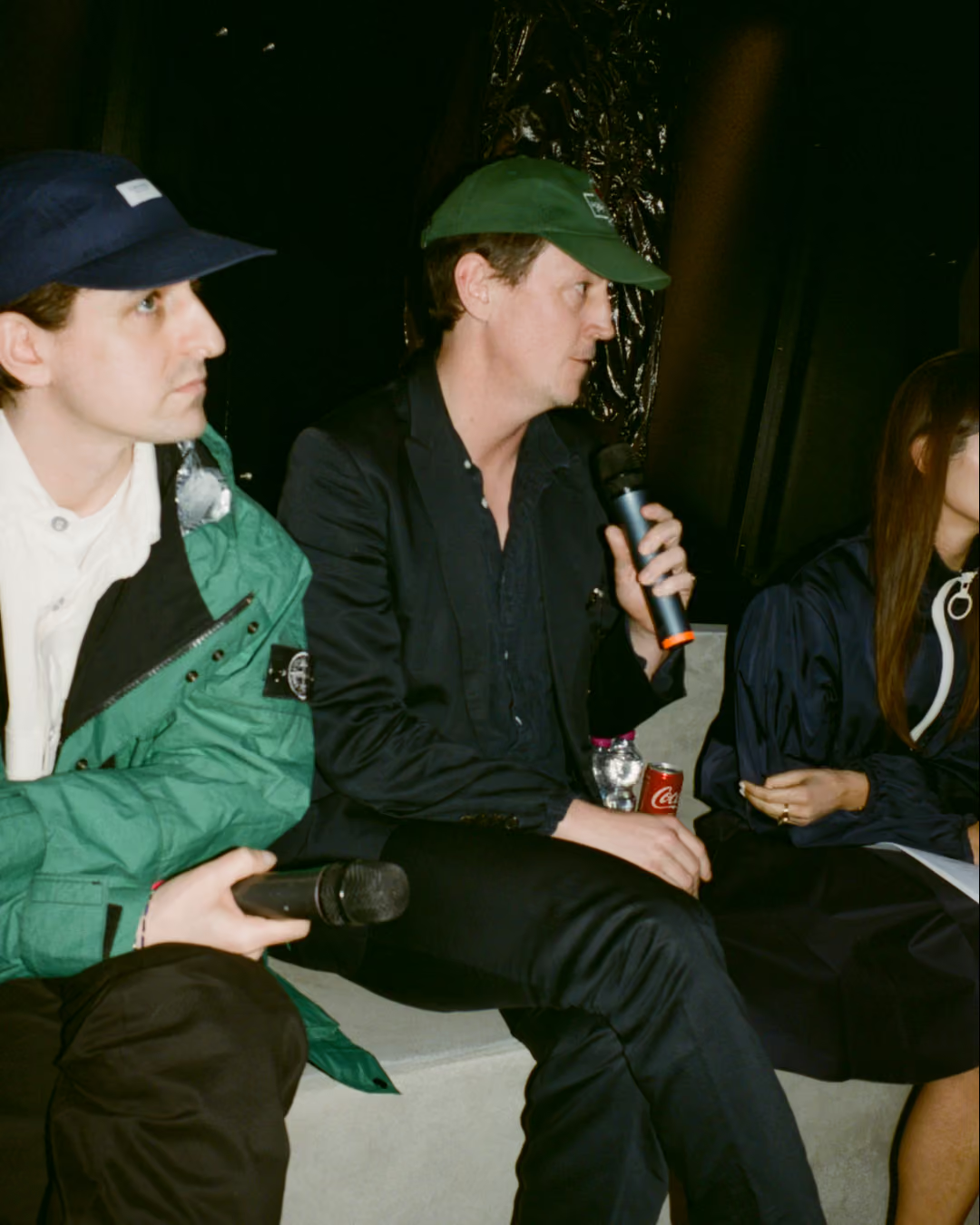
Earlier this year, during Milan Design Week, we teamed up with Stone Island and our friends at dotdotdot to host our first Product Anatomy Live: an interactive event built to take No Seasons apart layer by layer. The Stone Island design team walked through the project's history and construction in real time, passing around samples and archival documents while Lyst data points projected on a giant screen overhead. But one evening only scratched the surface. So here's the full dissection: how it feels to wear the fabrics, why the brand became a year-round obsession, and why Stone Island is finally bringing back No Seasons now.
What Even is a stone island jacket?
It starts with two buttons on a left sleeve.
You see it on someone else first. A bloke on the train. A lad at the bar. Neither of you says anything, but you both clock it.
Then you want one. Maybe the first one's hooky, bought off a local at the market, with a badge that's a bit too bright and buttons that aren't quite right. You know it's fake. You wear it anyway, because even a fake one means something. Then you save up, or get lucky in a sale, or your uncle finally hands his down, and you get the real thing. You tell yourself it's a good coat. It is. That's not why you bought it.
Now you start learning. How to spot a moody one from across the street. Why the dye runs right into the stitching. What the old heads mean when they say “Osti-era” in that tone of voice. That the jacket you thought was just nylon changes colour in the cold. Who Arco Maher is and why his SS 2001 Microfelt Transparent Cover Jacket from Paul Harvey’s “Paper Series” worn by Skepta in the pissing rain at the Reading & Leeds Festival this year made the performance all the more iconic. Before long you're reading product codes for fun.
Then you realise you've joined something. The Scousers who brought it home from Europe in the eighties. The casuals who turned it into a uniform. The grime MCs who made it theirs. The kid in Shibuya who's never been to a football match. None of them agree on much, but they swear by Stoney.
Then you meet the other side. Your mate's mum deciding you're trouble before you've sat down. The doorman looking at your arm before your face. You unbutton the badge to get in and button it back on at the bar. To some people you're a connoisseur. To others you're a problem. You've made your peace with both.
The years stack up. It's been to Derbies, two house moves, and countless school runs. A first date that went well and one that really didn't. It's faded in places and you'd never replace it.
And then one day your son asks if he can borrow it.
Still. It's just a jacket with a badge on, isn't it?
know your fabrics
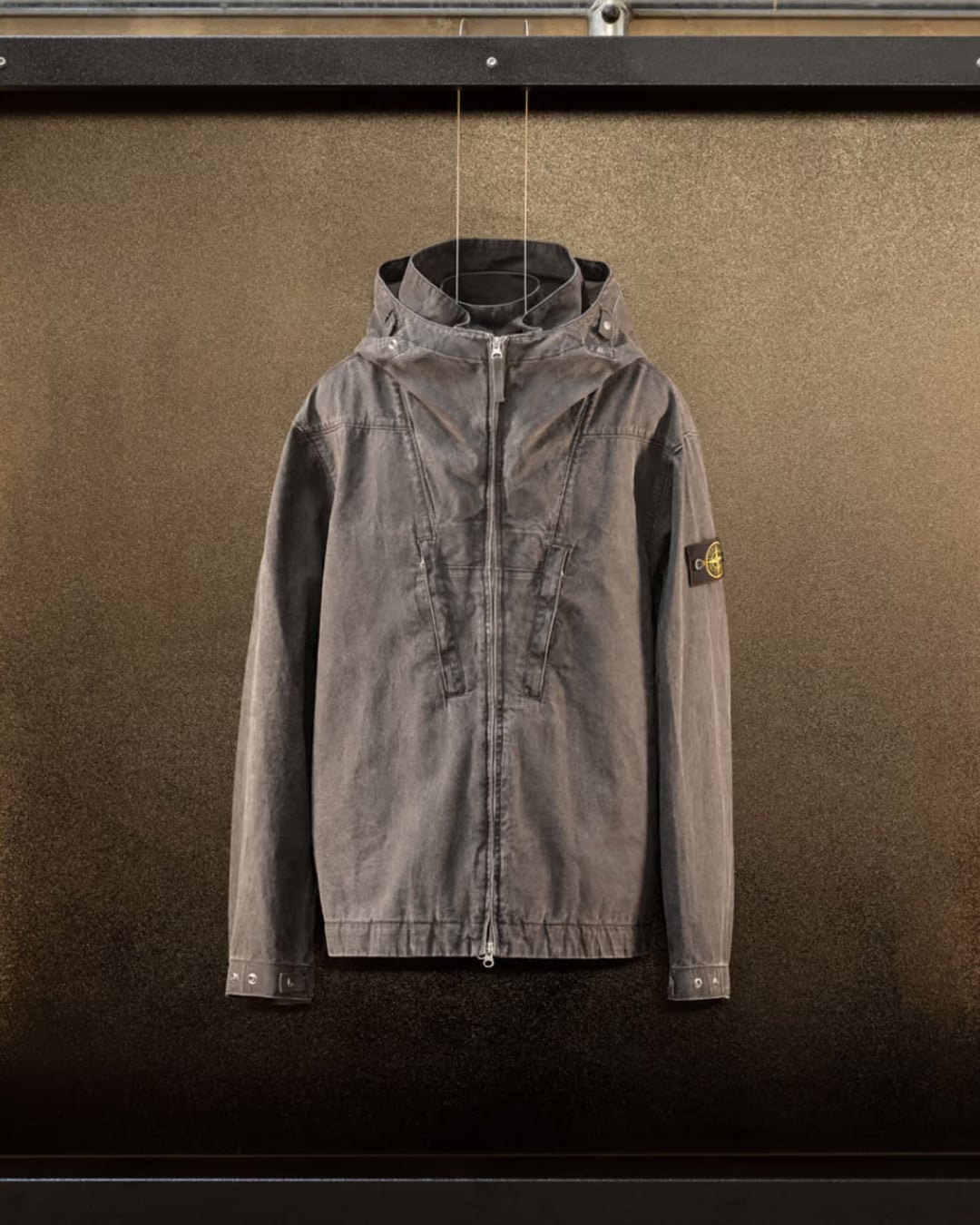
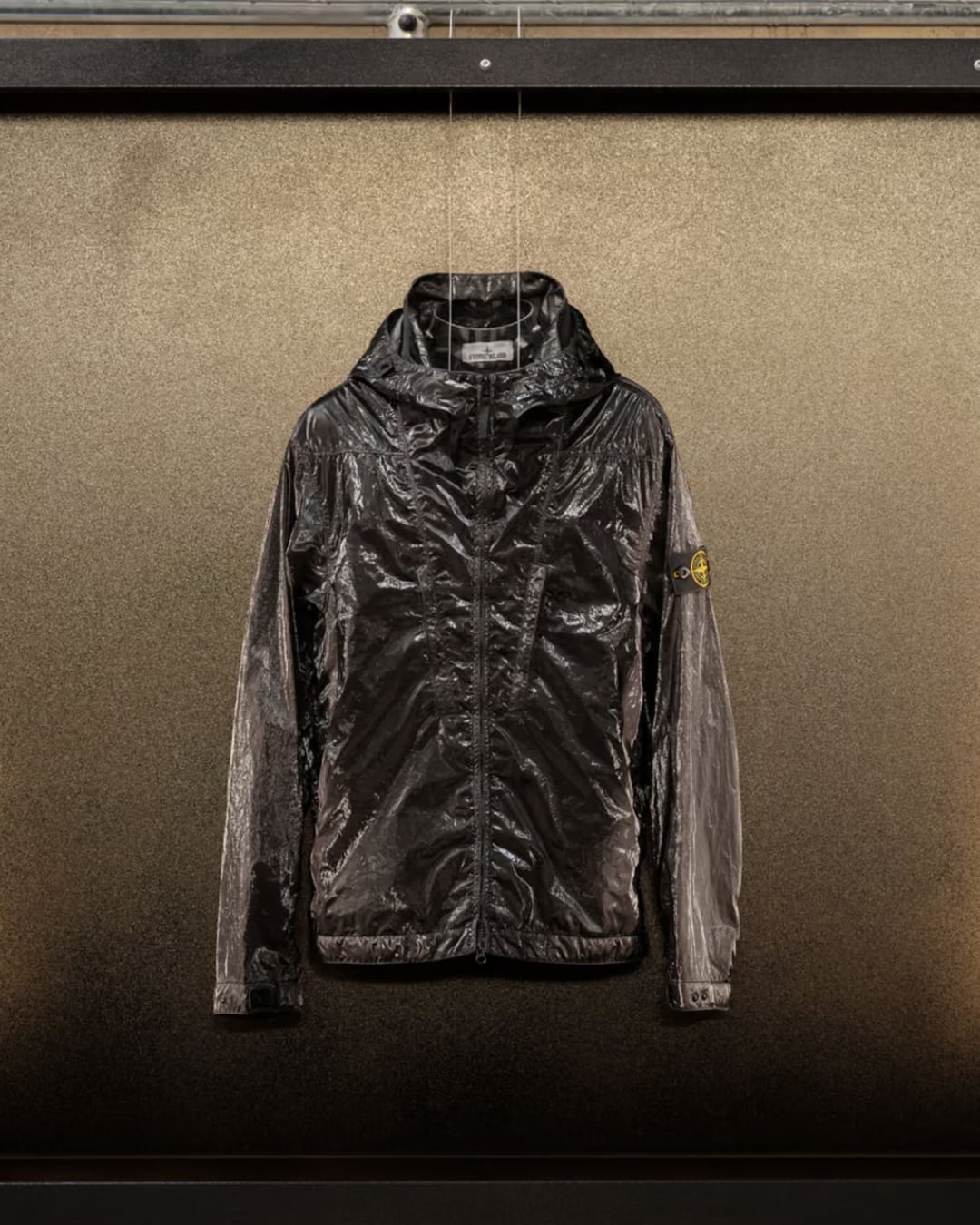
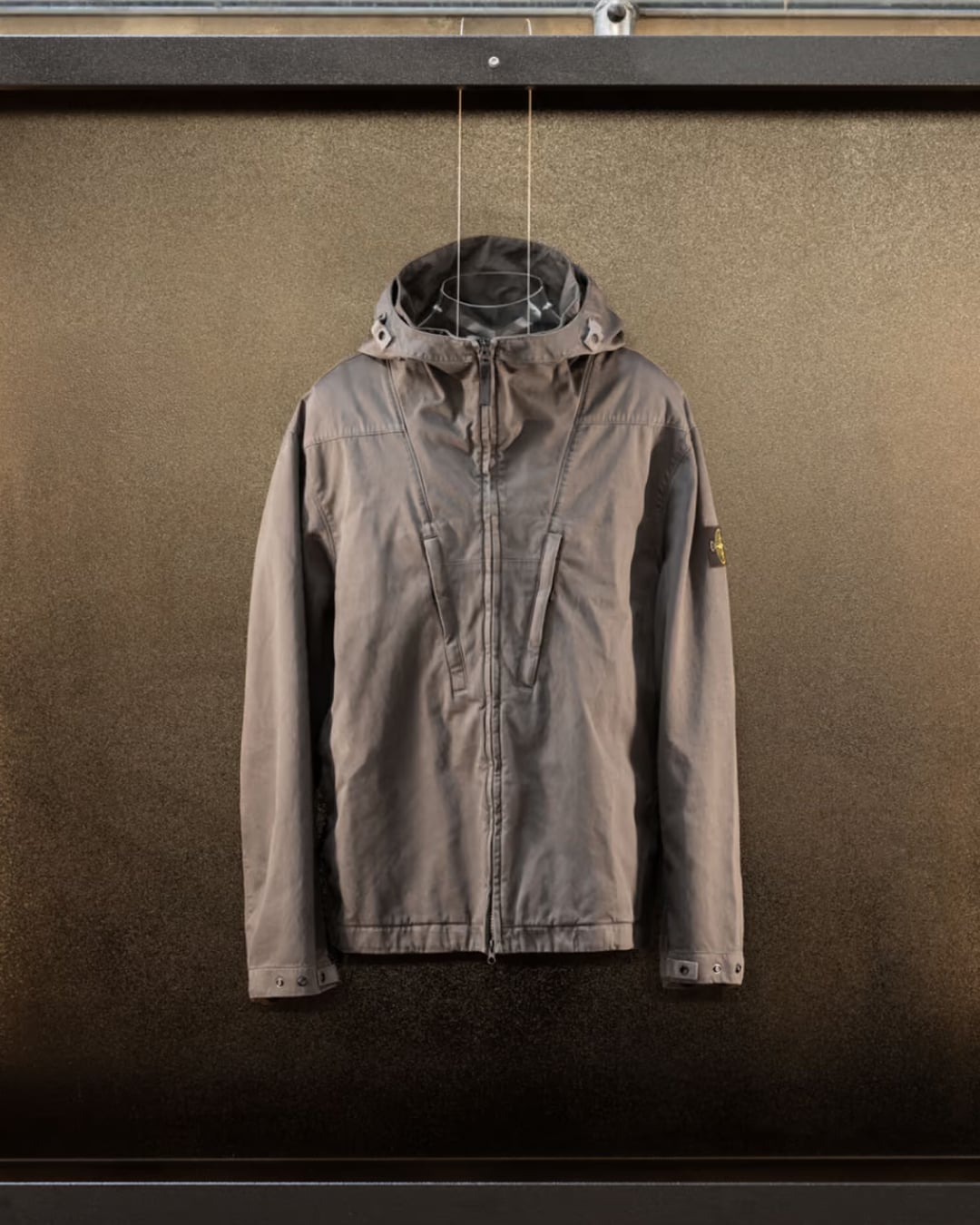
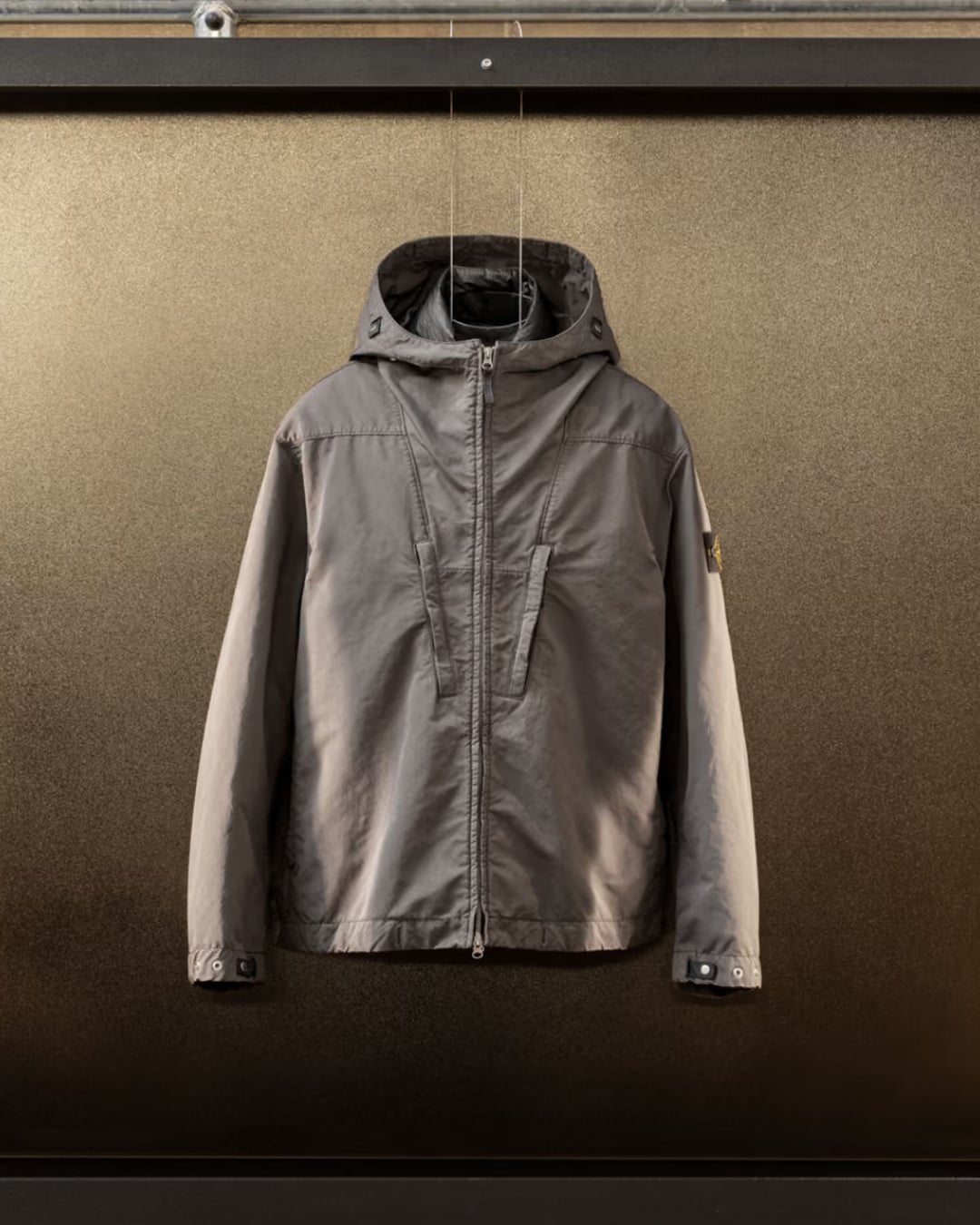
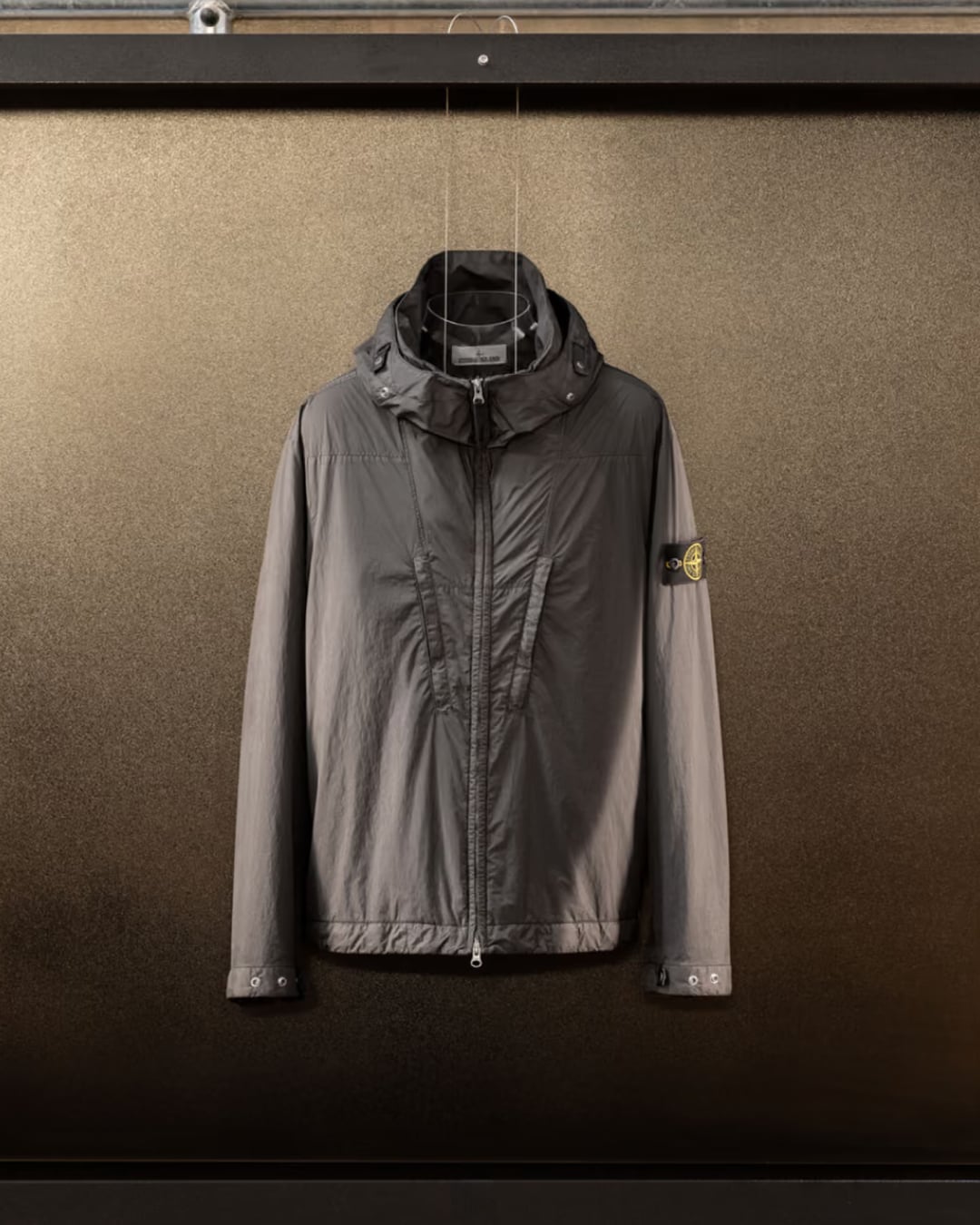
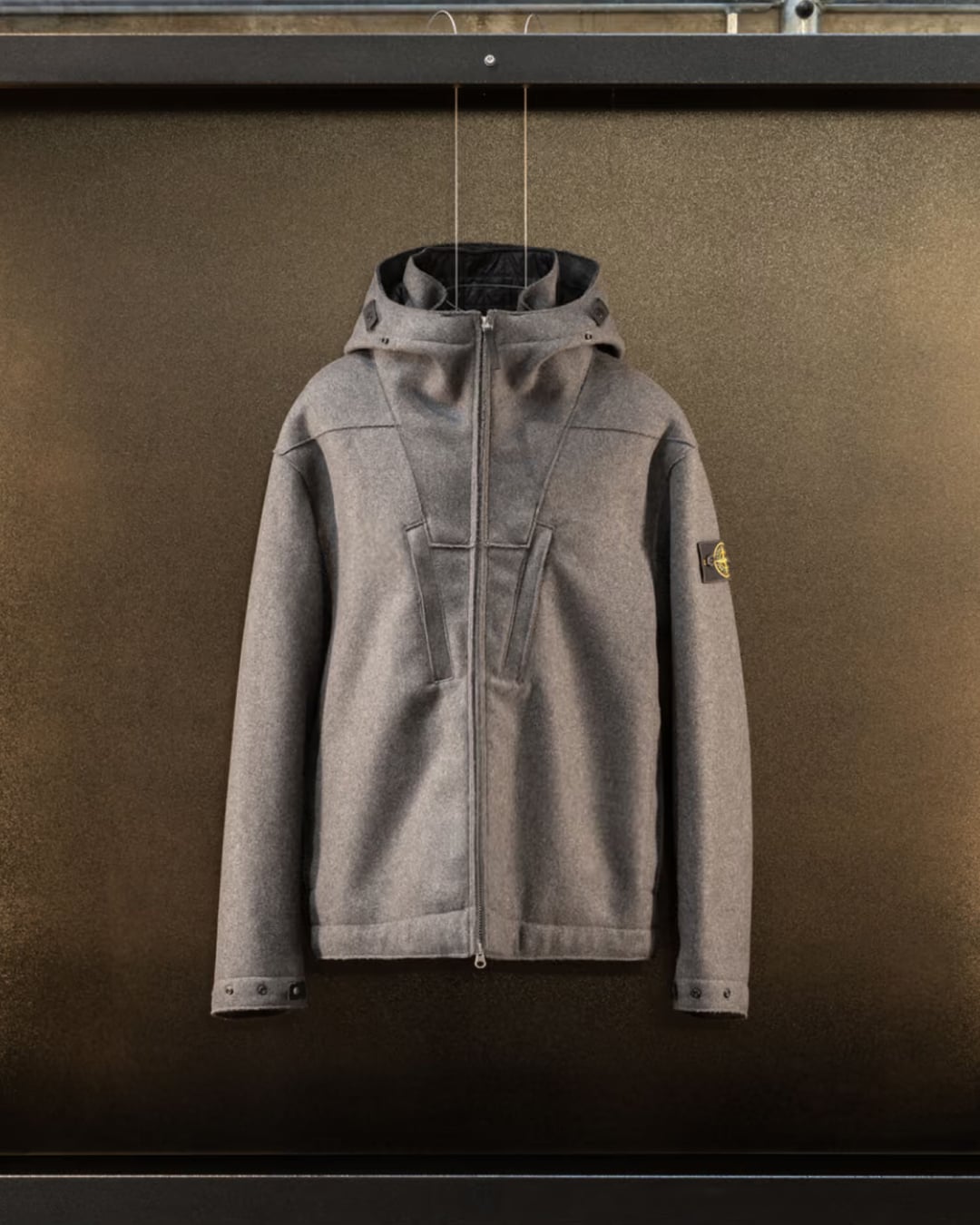
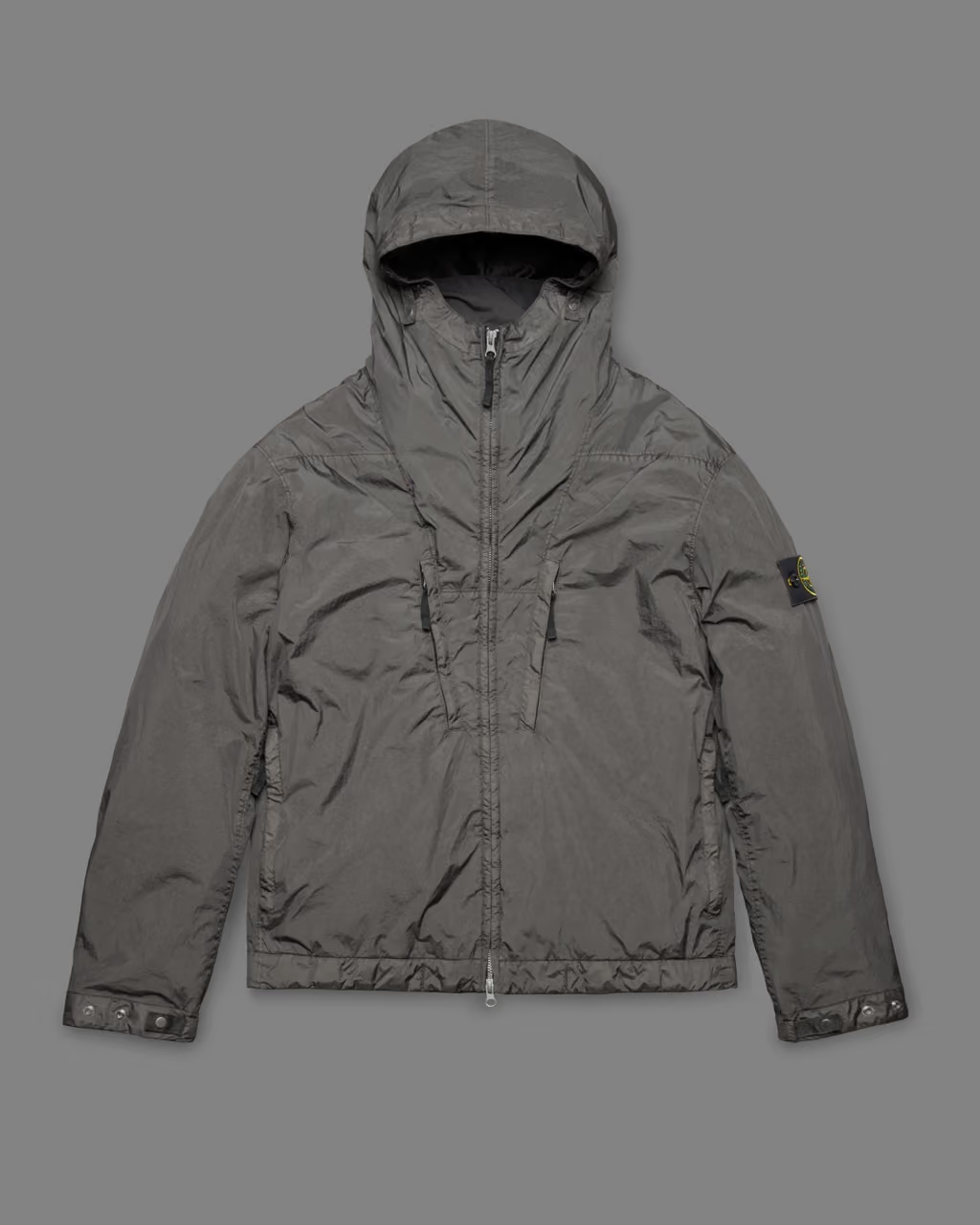
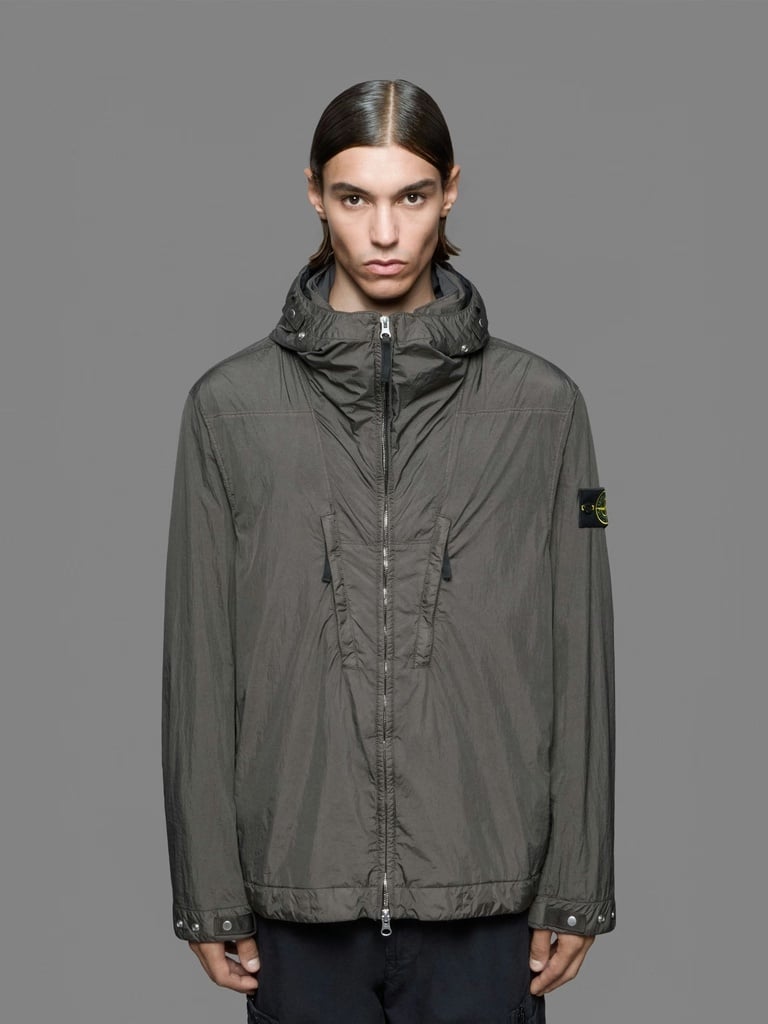
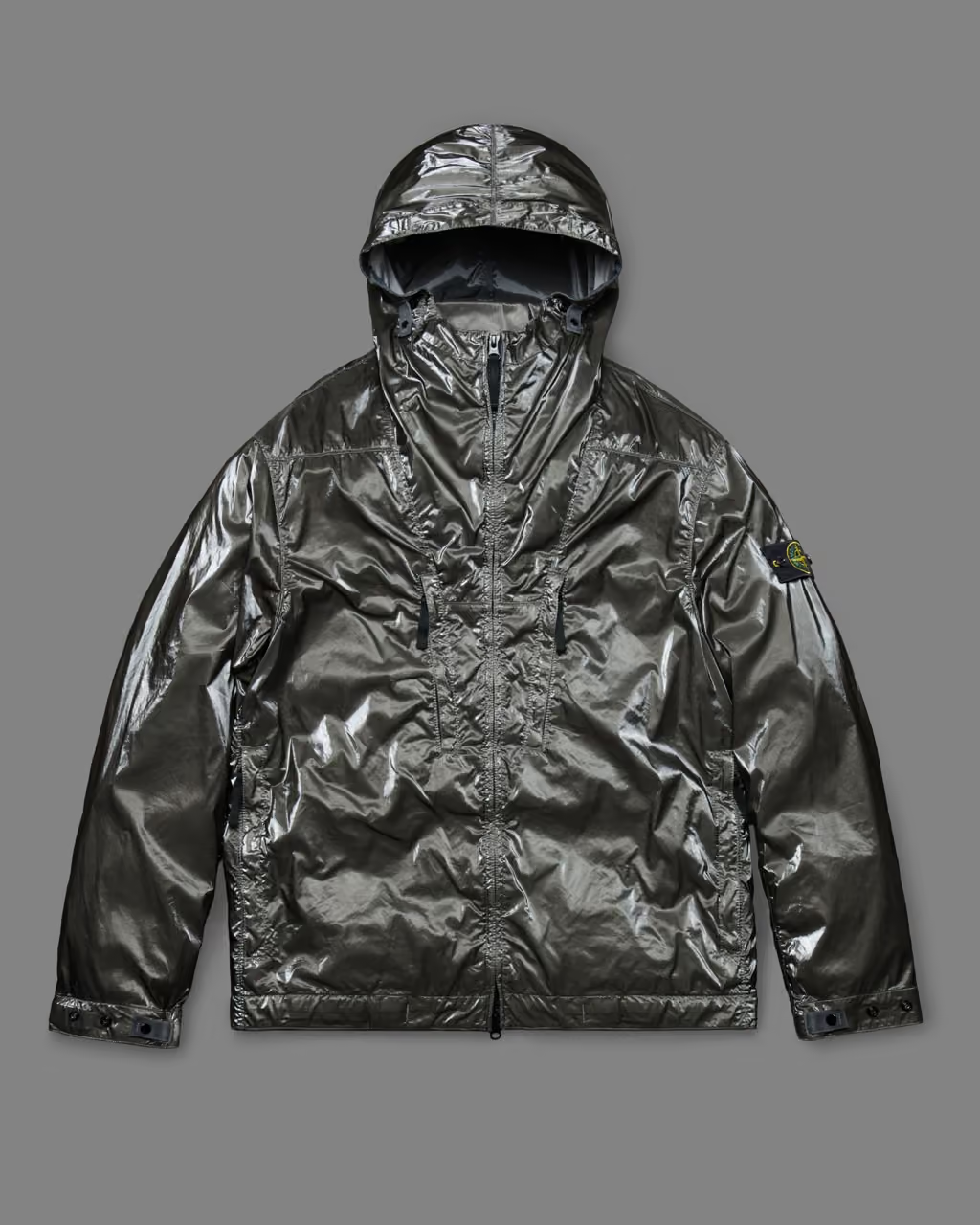
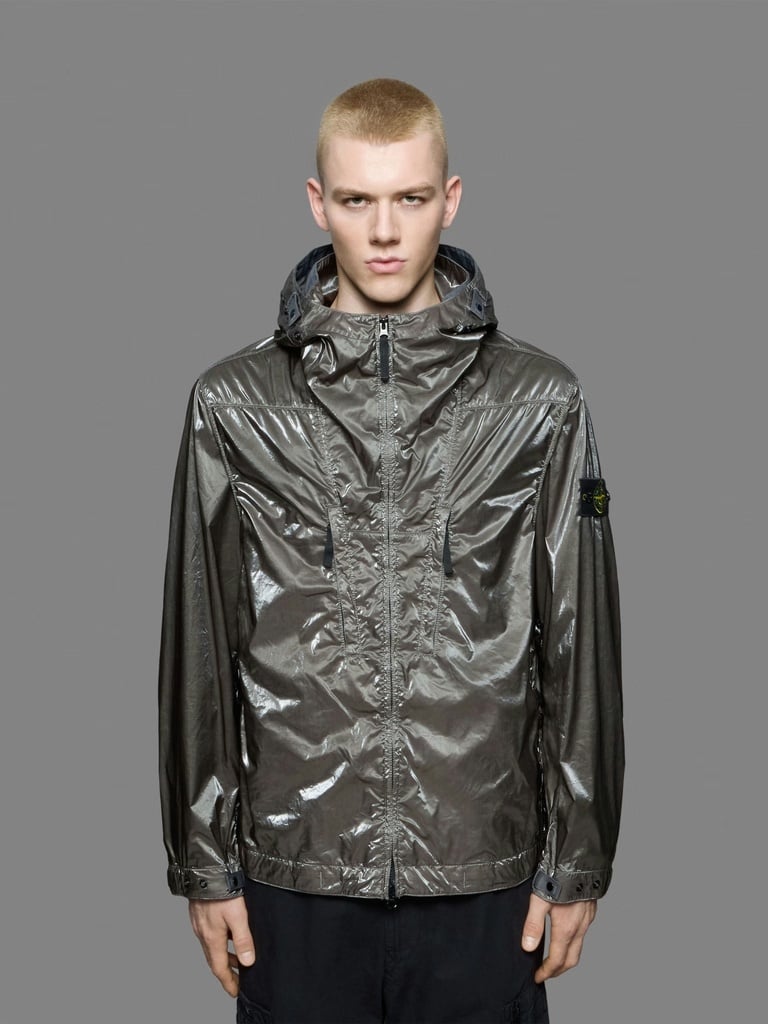
One jacket, six of Stone Island's iconic fabrications, all dyed piombo. Different dyeing techniques lets each material set its own tone and texture, so the same silhouette comes out six different ways. Pick your fighter.
-
-
-
-
-
-
How We Dissect
As always, we’ve applied our Product Anatomy framework to dissecting a product’s come-up: a combination of Lyst’s proprietary demand data, expert takes, Kotler’s Five Product Levels, and some good old cultural observation. The aim is to unpack how a timeless rubber sandal became one of the most talked-about shoes of the season.
The Breakout Moment
For a long time, Stone Island moved like any outerwear brand, with demand rising and falling with the temperature. Winter demand peaks ran roughly four times higher than spring lows. You bought one when the cold arrived, and forgot about it when it left. Then hit collaborations helped fuel demand. An enduring partnership with New Balance began in 2013, followed by Supreme the year after. Endorsed by Drake and Dave, UK demand grew 600% in a year, and in 2018 Stone Island hit No.7 in The Lyst Index. For a long time, Stone Island moved like any outerwear brand, with demand rising and falling with the temperature. Winter demand peaks ran roughly four times higher than spring lows. You bought one when the cold arrived, and forgot about it when it left.
Stone Island started showing up where a winter coat doesn't go, including a smart partnership with art fair Frieze. In May 2024, Stone Island partnered with Dior, a collaboration nobody saw coming. That month, for the first time, summer behaved like winter: demand in May and June averaged 150% above April. The same year, demand in France grew 95% and Germany 124%. The jacket Liverpool fans once brought home from abroad was now being bought and worn all over Europe.
Then came the faces. Liam Gallagher fronted Autumn/Winter 2024. The following July, Oleksandr Usyk walked out at Wembley to fight Daniel Dubois in a custom Stoney, while a campaign starring him, Chy Cartier and Alessandro Borghi was everywhere. July demand was 162% above April. By the end of 2025, with the New York flagship reopened, Dave back with a tour collaboration and the brand in the Lyst Index, monthly demand was peaking, higher than any Christmas before.
Today, the demand spikes are higher, and the lows aren't as low. Shoppers want Stone Island whatever the weather, and jackets are still at the heart of that desire. Demand for jackets was up 52% year on year in Q1 2026, and they're still the brand's biggest category.
Osti's idea was a coat that ignored the calendar, but for thirty years, shoppers weren’t ready to buy it that way. Now, the concept hits home. The six fabrics featured in the no Seasons collection were already selling across other models well before they were put together. Stone Island fans know their fabrics and will search for them by name on Lyst. Searches for ‘Raso Gommato’ are up 5,559% year on year, ‘Crinkle Reps’ 100%, ‘Panno’ 54%, ‘David TC’ 41%. Demand for Tela Resinata spiked 428% in a single month, only three months after it launched. Few brands command this hyper engaged, super-informed fashion search behaviour online.
Those same fans have made the brand seasonless ahead of the No Seasons launch. Coincidence?
DATA Says




How Can I Get One?
No Seasons jackets are available to shop on Lyst now. They run true to size, but some jackets are cut roomier to layer over knitwear, while others sit closer to the body, so it's worth checking the size guide and product measurements before you buy. Because Stone Island dyes its garments after they're made, no two pieces are ever exactly the same, and slight variations in shade are, of course, part of the appeal rather than a flaw.
Find yours here.

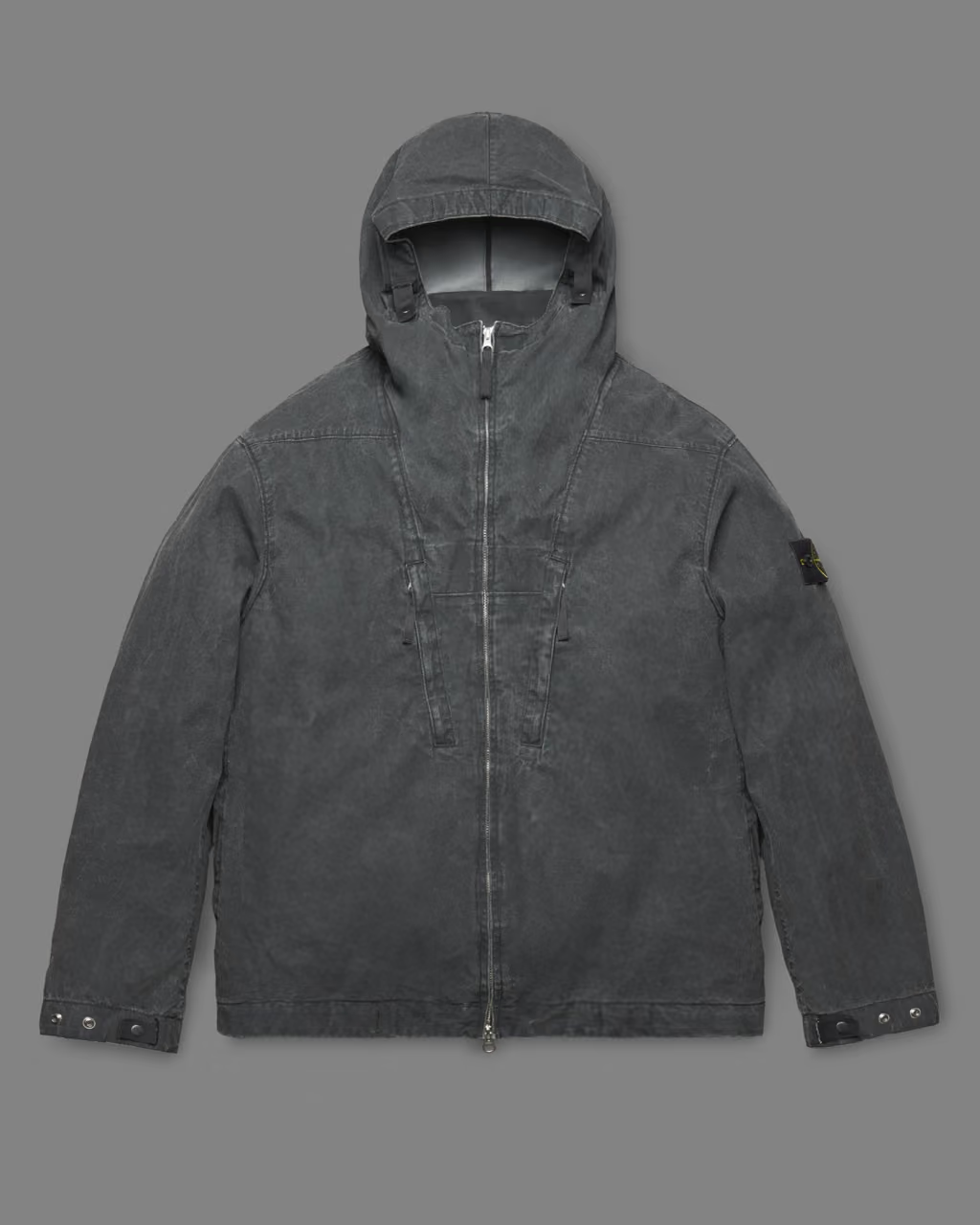
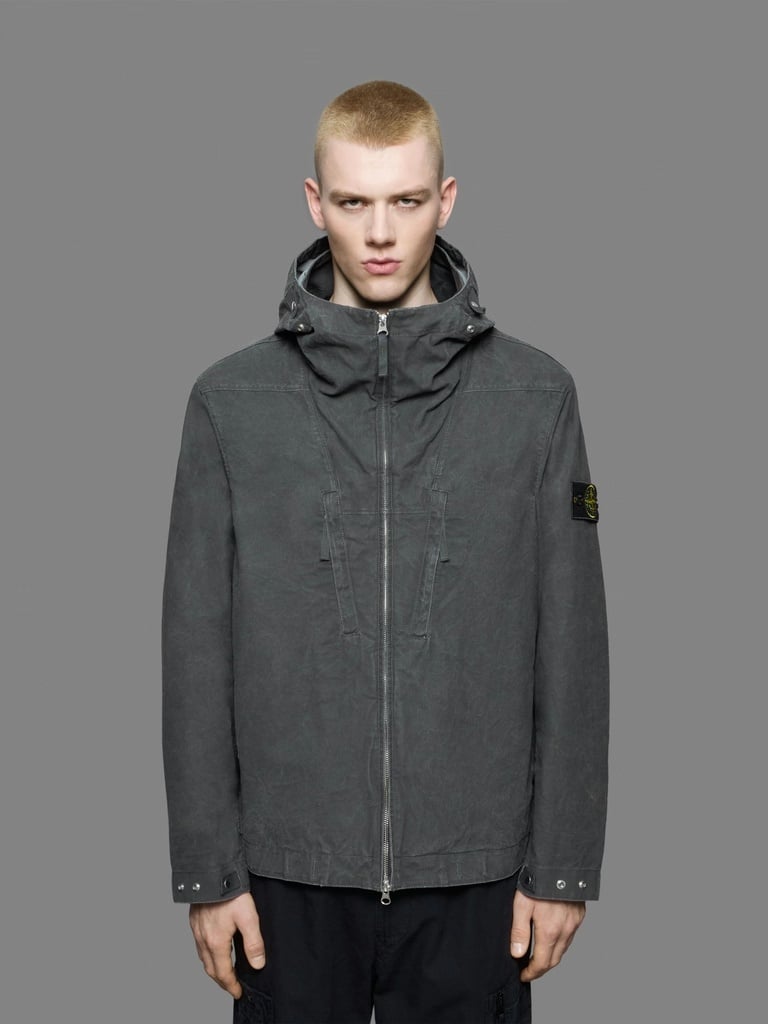
TELA RESINATA
Hooded jacket with drawcord hem
£1,260.00
CRINKLE REPS NY
Hooded jacket with wind resistance and anti-drop
£940.00
NYLON PRISMATICO-TC
Hooded jacket with wind and water resistance
£1,415.00
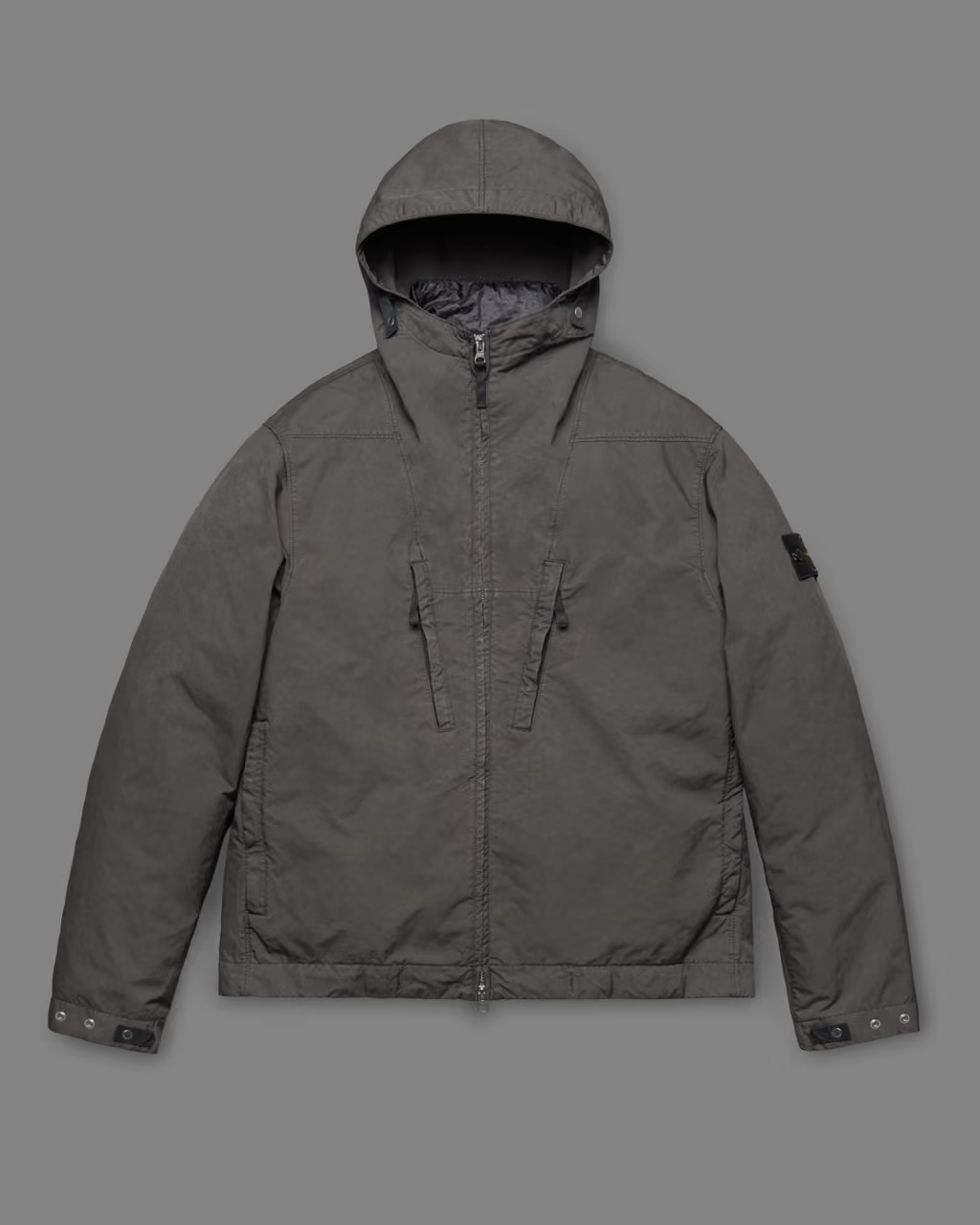
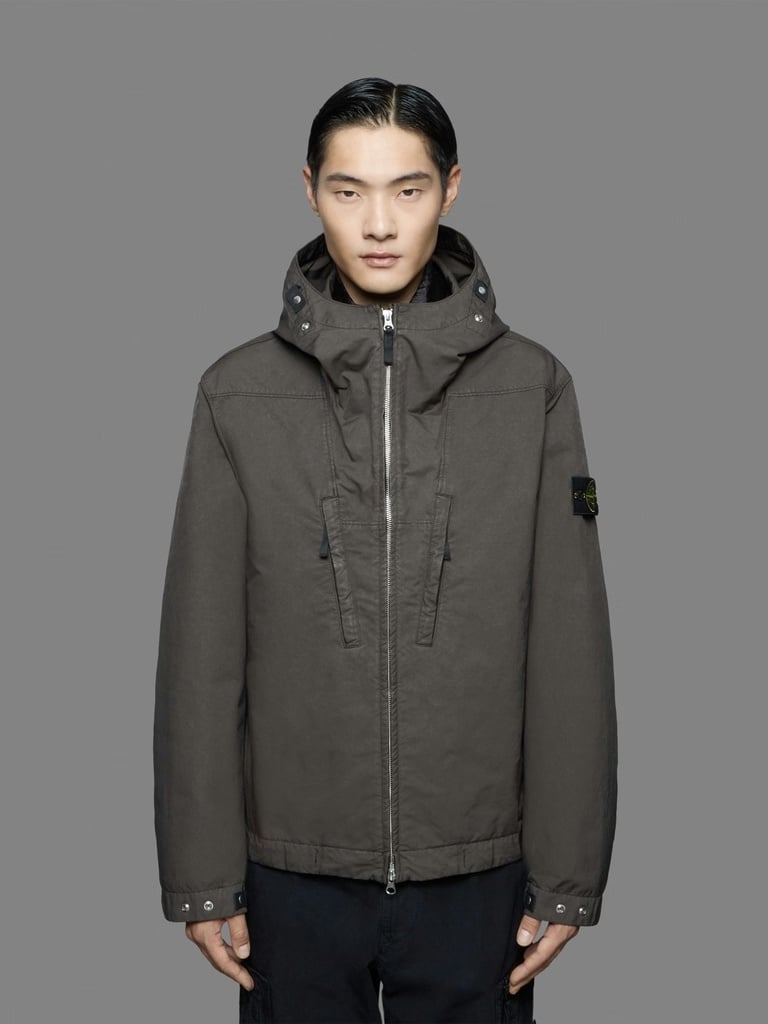
DAVID-TC
Hooded down jacket with detachable liner and anti-drop
£1,940.00
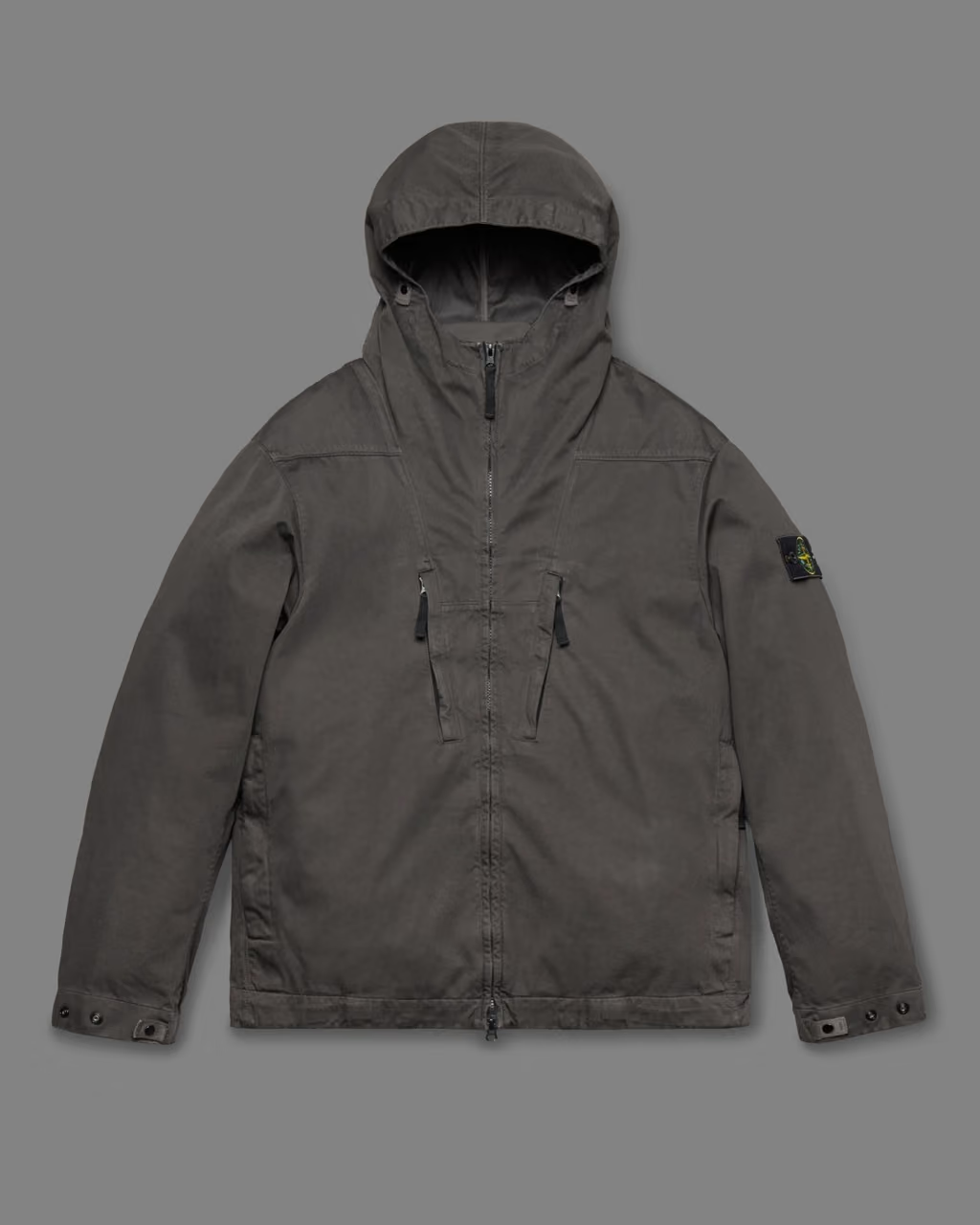
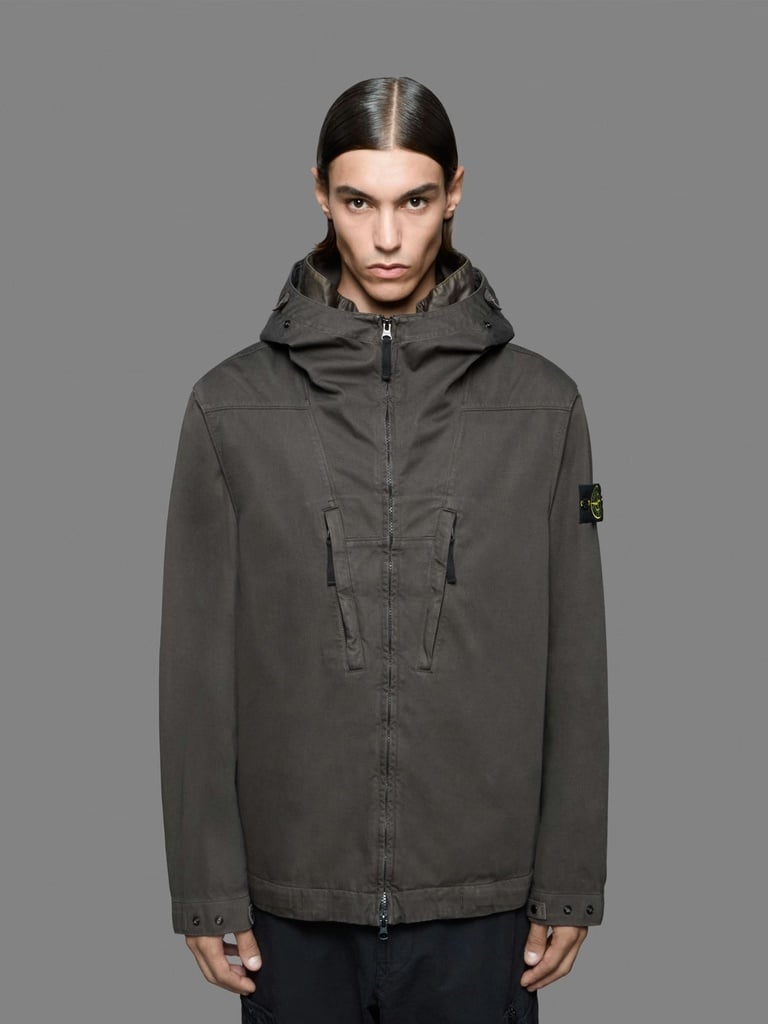
RASO GOMMATO COVER TRASPARENTE-TC
Hooded jacket with wind and water resistance
£1,260.00
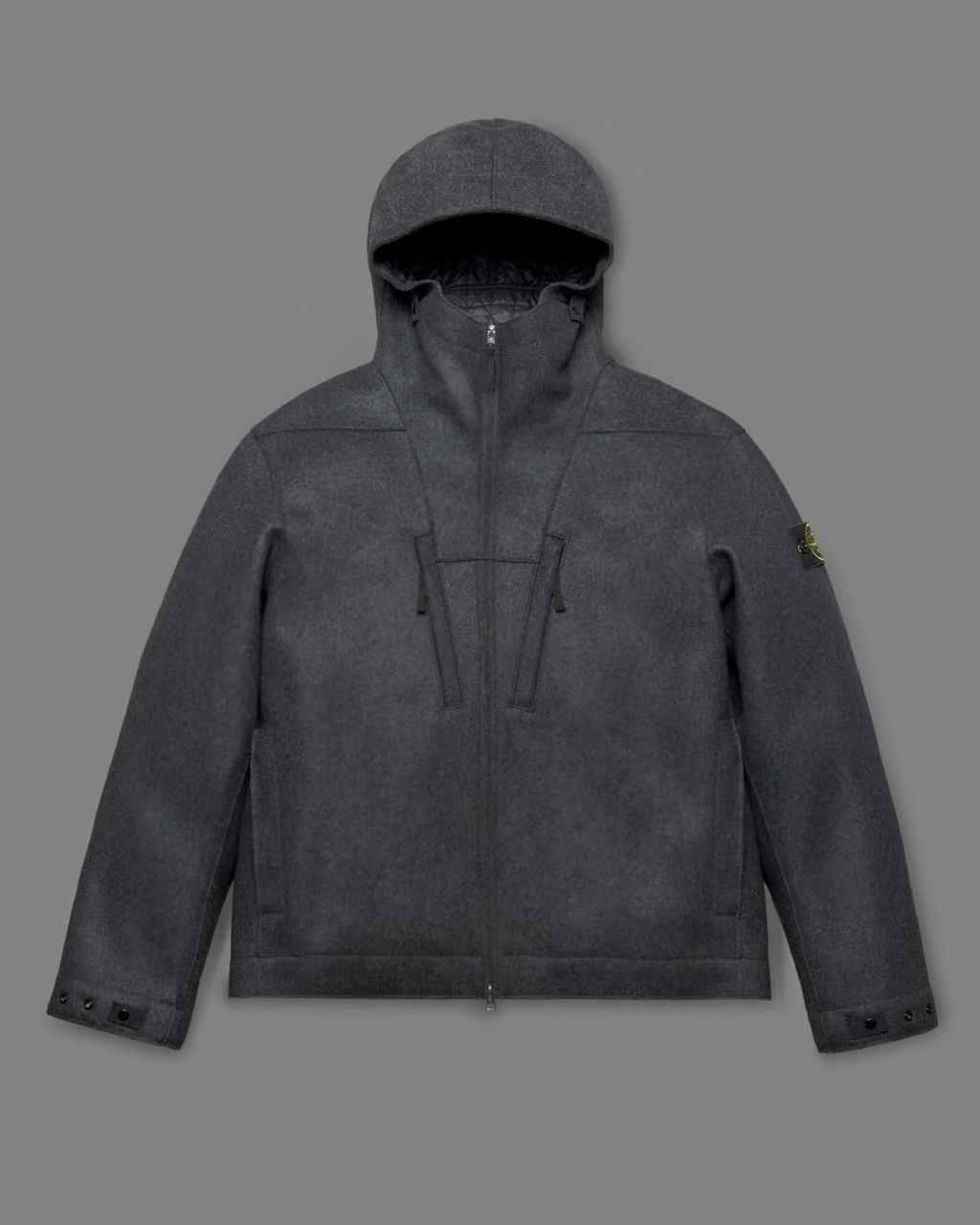
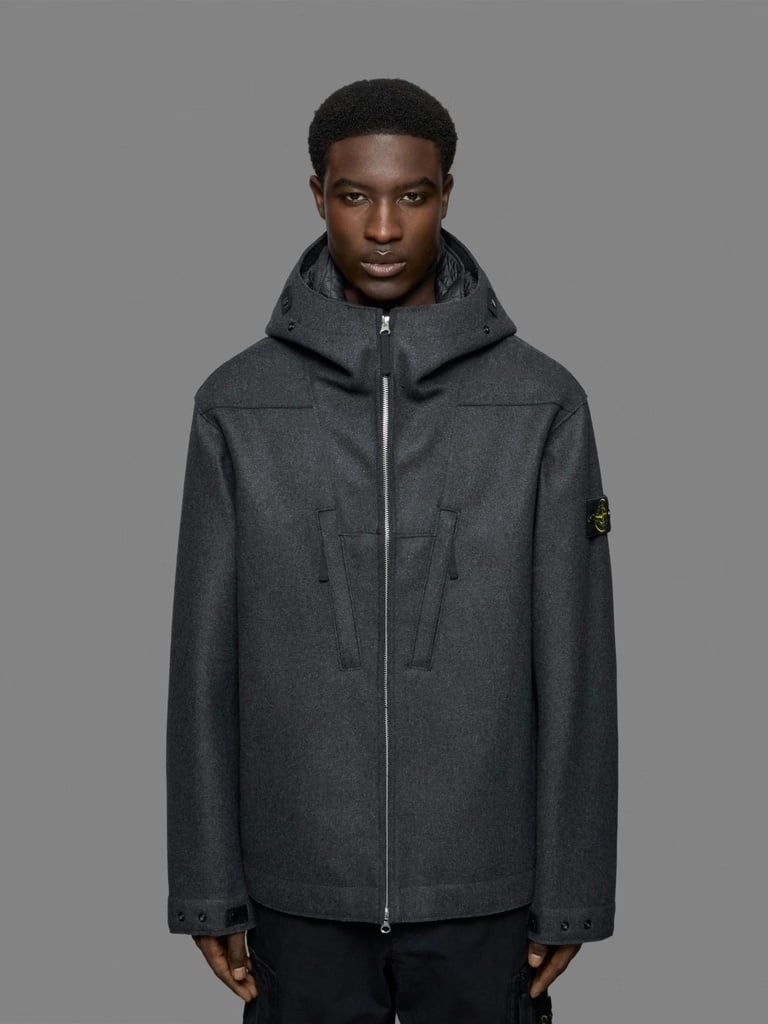
PANNO
Padded hooded jacket with raw-edge construction
£1,520.00