6 Trends Set to Redefine Fashion in 2026
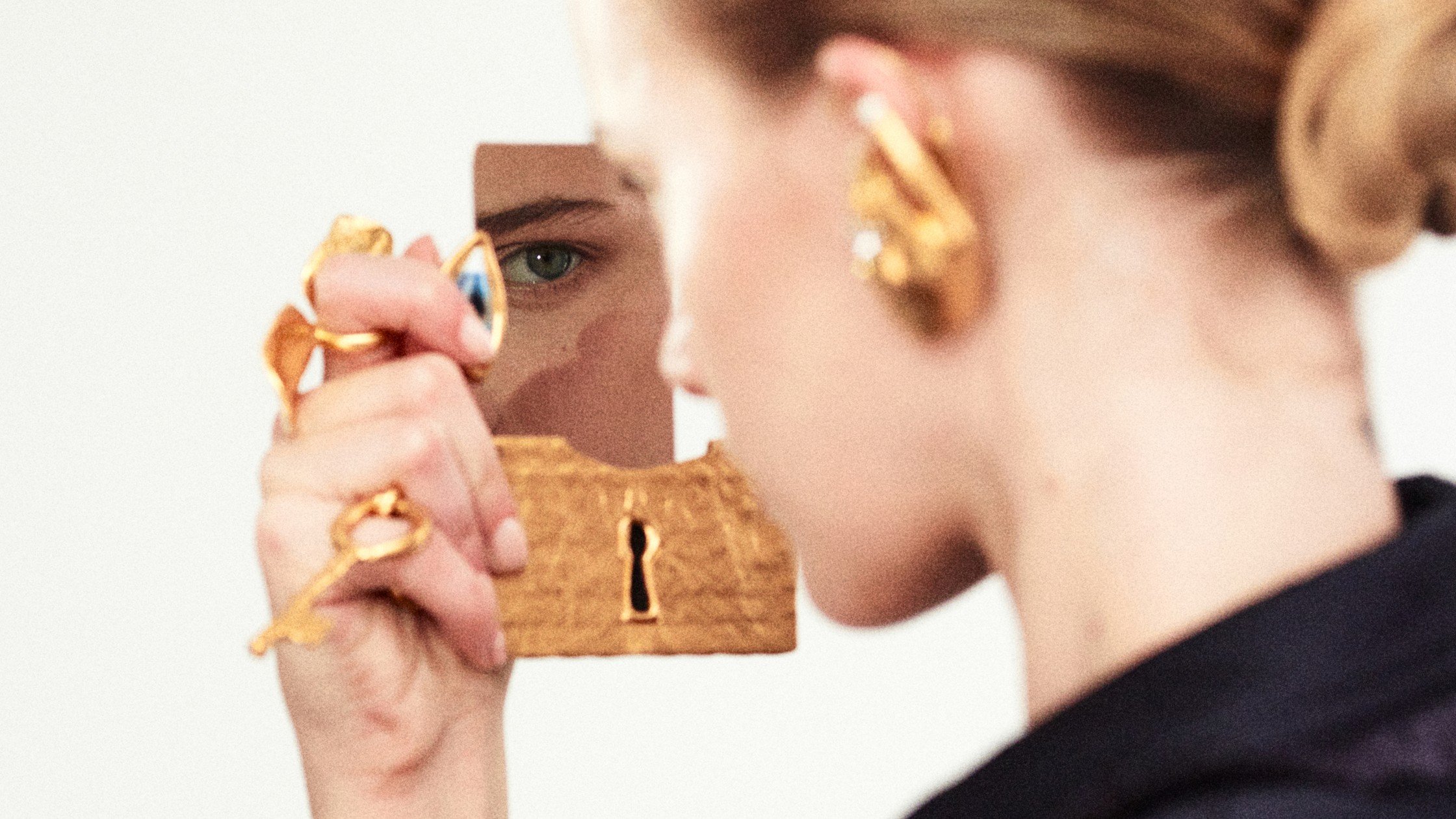
Forget what you think you know about fashion; 2026 is shaping up to be something truly transformative.
Beyond the runway, designers and innovators are already hinting at the next big shifts. We’re predicting that next year’s style goes beyond what looks good - towards what feels right in an ever-changing world.
This isn't your typical trend report. Drawing on millions of searches and behavioral insights from the largest dataset in fashion, Lyst can see where we headed next. Our Year in Fashion 2025 report highlighted the role of Vibe Analysts in setting the new style agenda online, and here we’ve partnered with commentators Molly Rooyakkers, Mandy Lee, Chani Ra, and Agus Panzoni to decode the signals and shopping patterns that reveal where fashion is headed. These aren't just guesses — they're data-backed, culture-driven predictions that show the six key movements set to shape 2026.
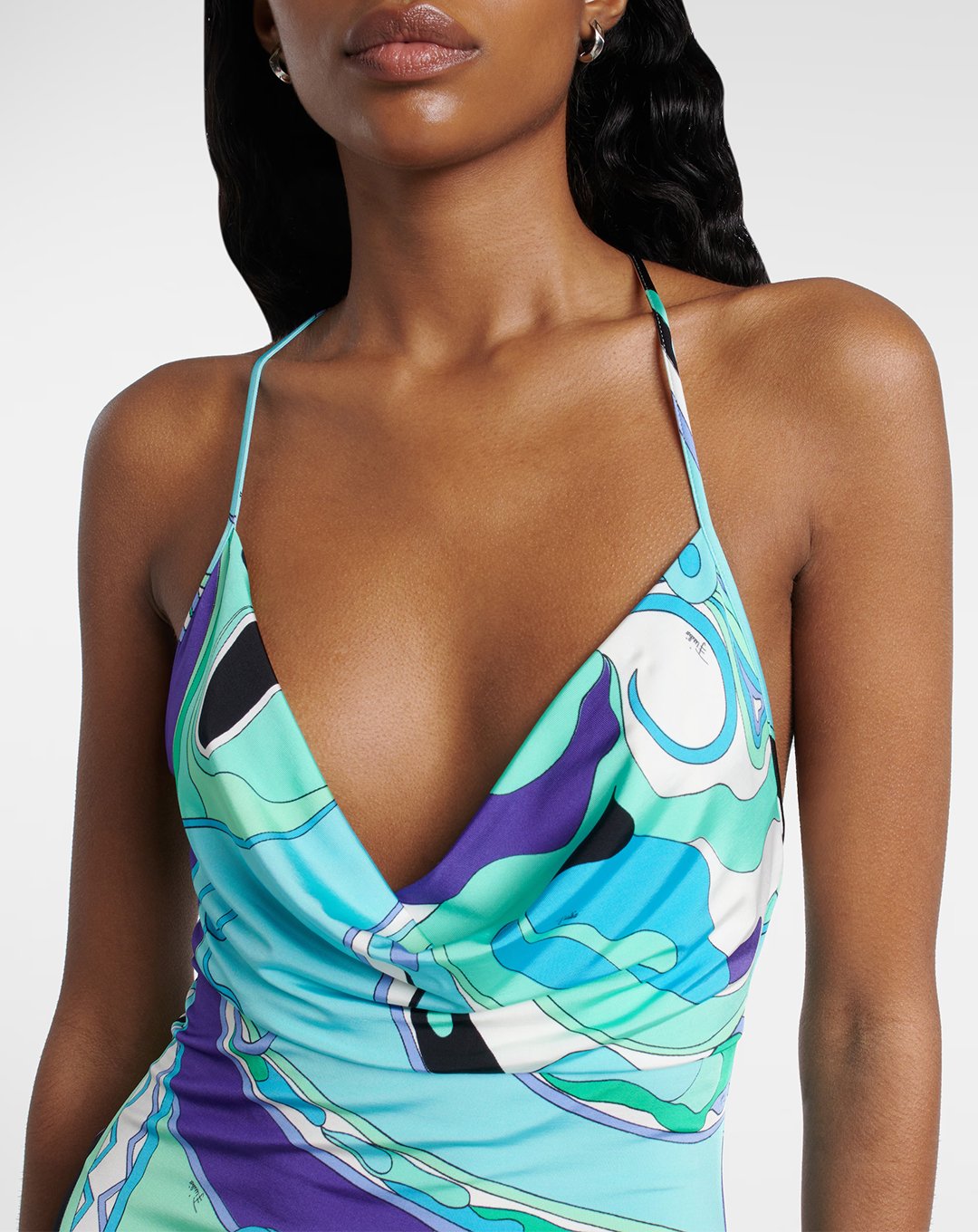
01. Neon As Punctuation
Neon is back, but not as a throwback, and definitely not as costume. In 2026, it shows up as punctuation: a flash of color in stockings, sheer layers with electric underpinnings, or playful hair accessories that feel instinctive rather than styled to death.
As @thealgorythm's Agus Panzoni explains, this movement taps into a broader fatigue with overly serious dressing: "This isn’t emerging as a revival of past eras. I see it growing from a cultural appetite for levity in style after years of style exploration being sorted into rigid aesthetic categories."
Neon works because it’s fast, expressive, and slightly sarcastic. It channels the looseness of early 2010s internet culture and creators who treat style like play. The message is clear: fashion doesn’t always need a thesis. Sometimes it just needs curiosity, exaggeration, and a bit of glow.

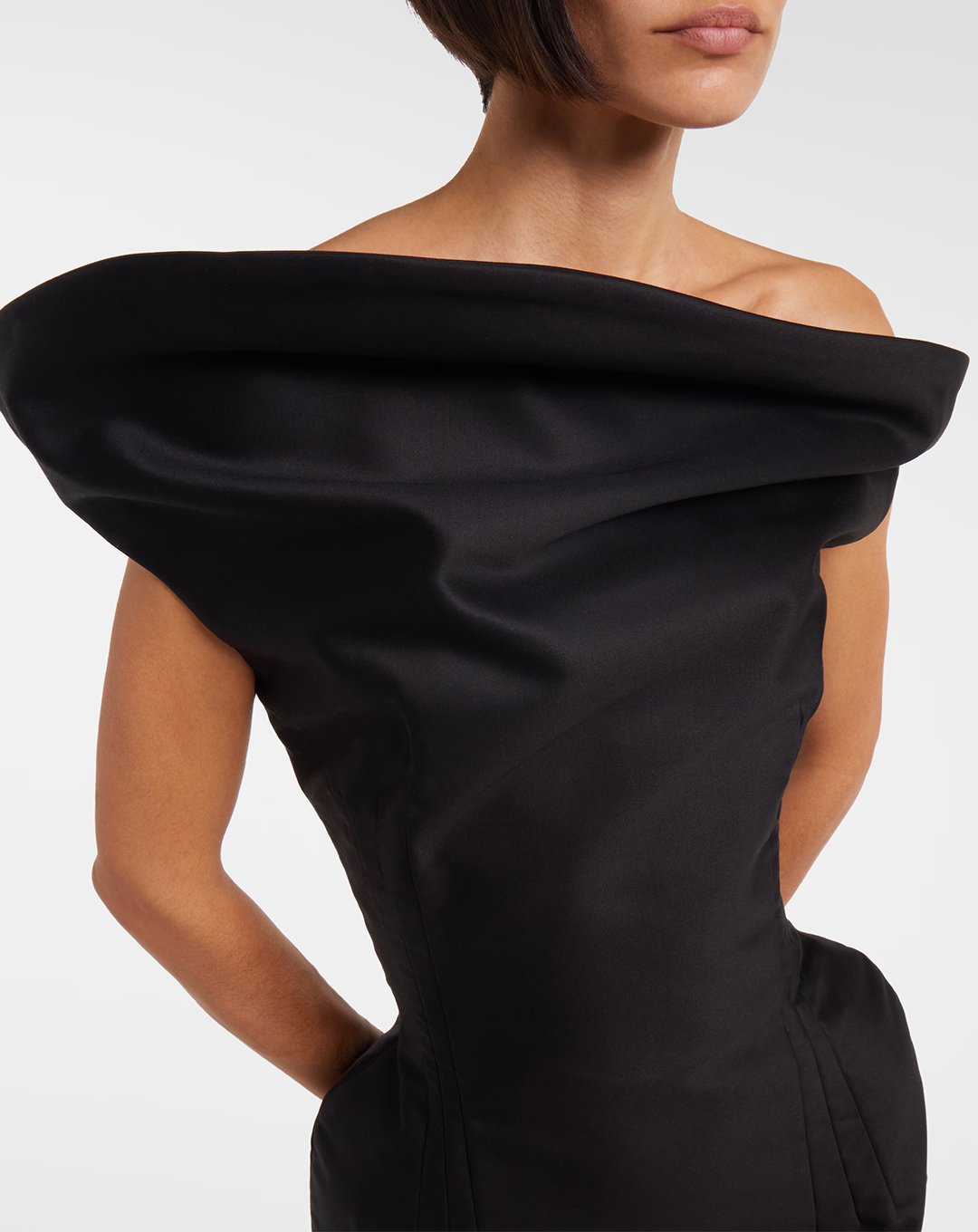
02. Wearing the Body
After years of baring skin — sheers, micro-shorts, topless styling — fashion is taking a conceptual turn. Instead of revealing the body, designers are beginning to represent it. Prints, sculpted forms, and trompe-l’œil garments are transforming the body into a wearable image rather than a site of exposure. This shift is already visible in the rising demand for pieces that play with body representation, like Jean Paul Gaultier's body dust print dress, which saw a 258% quarter-on-quarter rise in demand.
Molly Rooyakkers (@style.analytics) frames this as a response to two opposing forces: rising cultural conservatism and the growing need for spectacle. As public modesty tightens, fashion finds provocation elsewhere — not by showing more skin, but by wearing bodies altogether.
"Over the past year, we've seen more and more exposure in fashion — like our love for sheer fabrics, micro-shorts, topless styling and even the era of bare feet. I think that the next step pushes beyond showing our own bodies toward wearing other bodies too, with the represented body becoming our new favorite provocation." It’s surreal, sometimes slightly uncomfortable, and impossible to ignore.
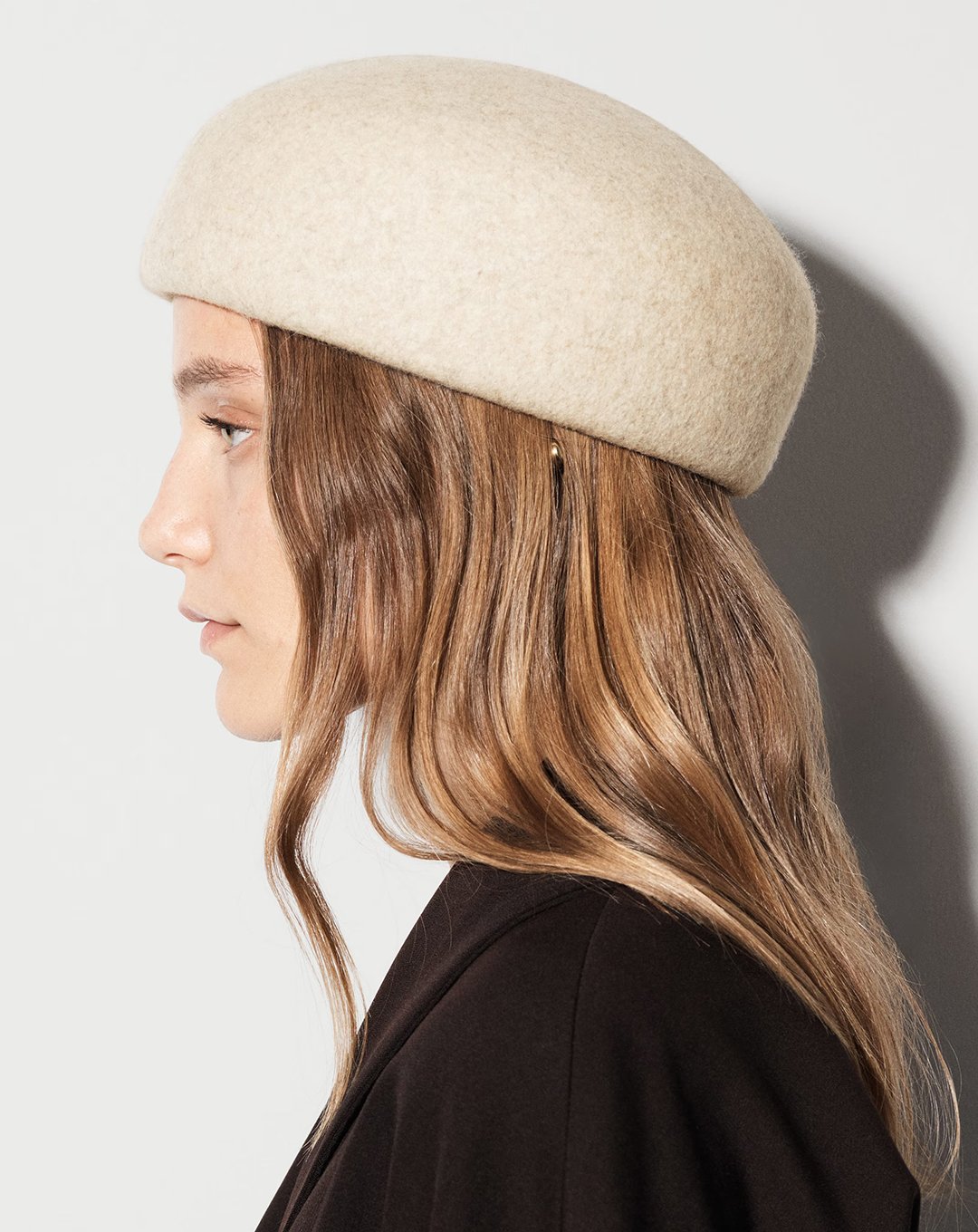
03. Styled, Not Styled-For-You
In an oversaturated fashion landscape, standing out means opting out — of sameness, of mass trends, of being easily replicated. Personalization is no longer a nice-to-have; it’s the point. Bag charms (for which demand has increased 153% year-on-year), waist accessories, DIY tweaks, and secondhand finds are becoming tools for self-definition rather than fleeting embellishments.
Mandy Lee (@oldloserinbrooklyn) notes that accessories are evolving into “wearable, multi-functional elements that reflect individual style while staying functional.” Meanwhile, Rooyakkers highlights a telling shift in audience behavior: "Over the past year, I’ve seen a noticeable shift in my audience, where when I post a trend, a common response is now, 'great, now I know what to avoid.'”
Going into 2026, exclusivity isn’t just about price — it’s about taste, knowledge, and access. "The best look or piece will be something that no one else has (or has access to) and exclusivity will become more important than it has been the past few years. While this can be bought, it can also come from having great taste, fashion knowledge, or the right connections.” Personal style isn’t a trend anymore; it’s a strategy.
04. The Everyday Athlete
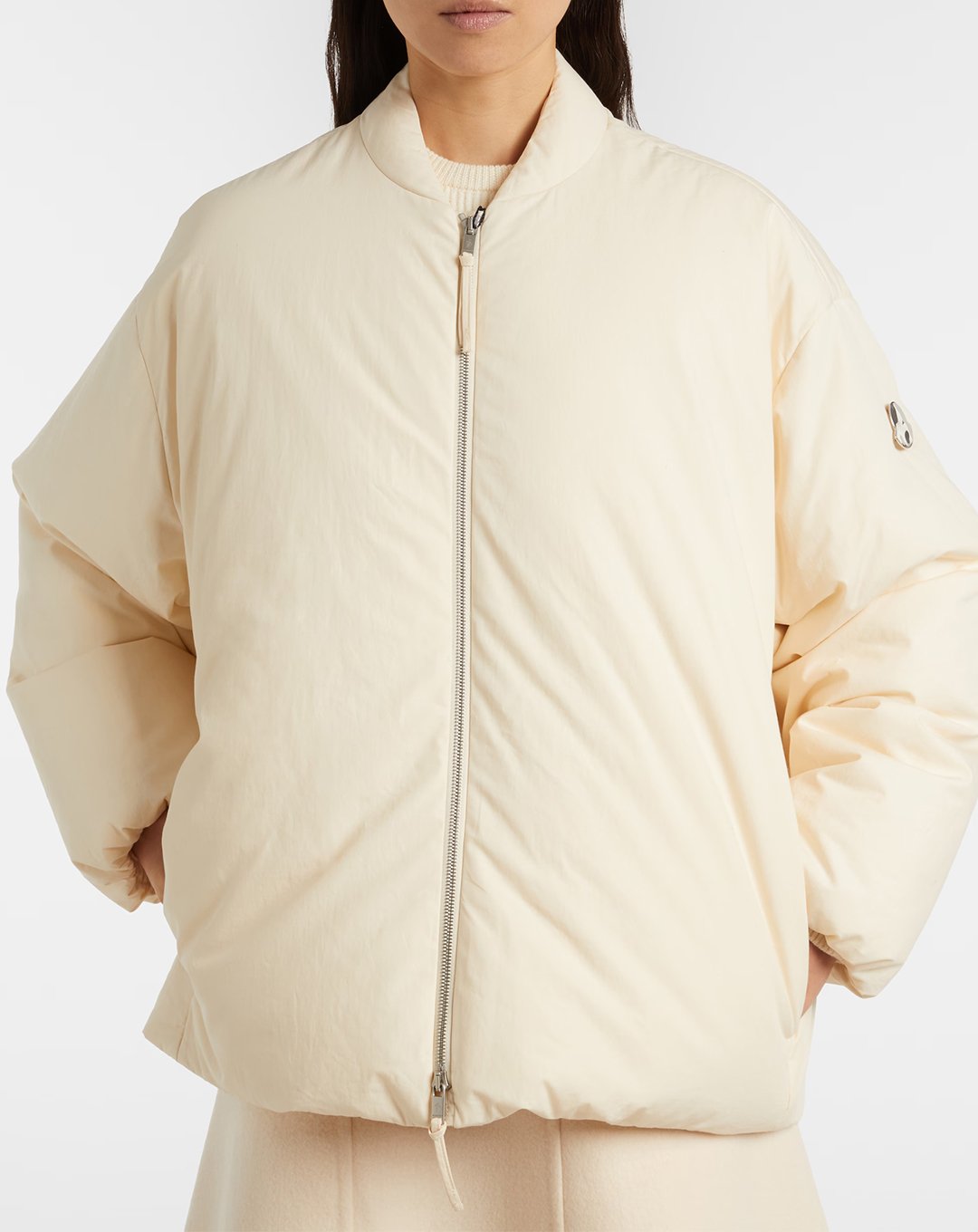
The era of single-purpose clothing is officially over. In 2026, sportswear isn’t just for the gym — it’s becoming the backbone of everyday wardrobes. Think technical jackets worn to dinner, joggers that pass for tailored trousers, and performance fabrics designed to keep up with real life, not just workouts.
This shift is rooted in pragmatism. As Lee puts it, "consumers crave value — they're prioritizing pieces that serve multiple purposes across different occasions, not just single-use fashion.” And the data backs it up: Lyst has seen demand soar for hiking casual jackets (+97%), running joggers (+49%), and tennis casual jackets (+100%) year over year. This isn’t about influencer sets or logo-heavy athleisure. It’s about sportswear that moves seamlessly from activity to everyday life — functional, individual, and quietly capable.
05. Glamour Gets Rebellious
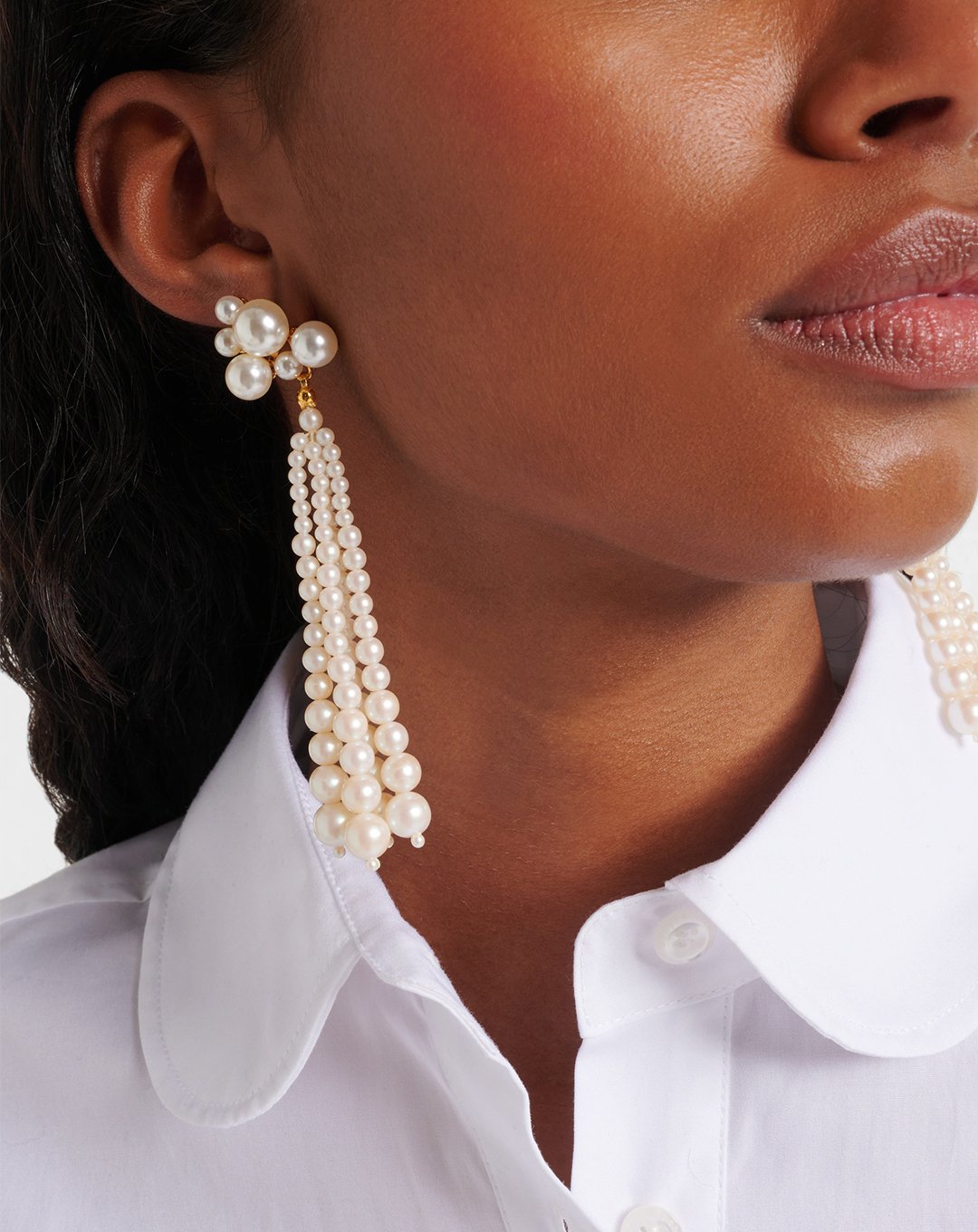
Glamour is back, but not in the polished, picture-perfect way you might expect. In 2026, we’re seeing a new kind emerge — one that’s unapologetically risky, a little messy, and built on bold confidence. It’s not about looking effortlessly chic in a conventional way. Instead, it's about an “effortlessness” that comes from embracing chaos.
Chani Ra (@thefashionnap points to Valentino Garavani’s Pre-Fall 2026 collection, where Alessandro Michele masterfully "encompassed everything 2026 is about: Furs, jewel tones, impossibly delicate lace, embellishment [...] but with a thrown-together, haphazard disposition.” This laid-back, rebellious glamour is all about having the audacity to mix extremes.
Even LBDs and fur coats — for which seaches are up 139% year-on-year and 127% quarter-on-quarter respectively — are back in full force, but now it’s about daring to wear it in unexpected ways. As Ra says, 2026 glamour isn’t subdued or reserved — it’s bold, sexy, and risk-taking, and it’s redefining what "effortless" really means.
06. Climate, Considered
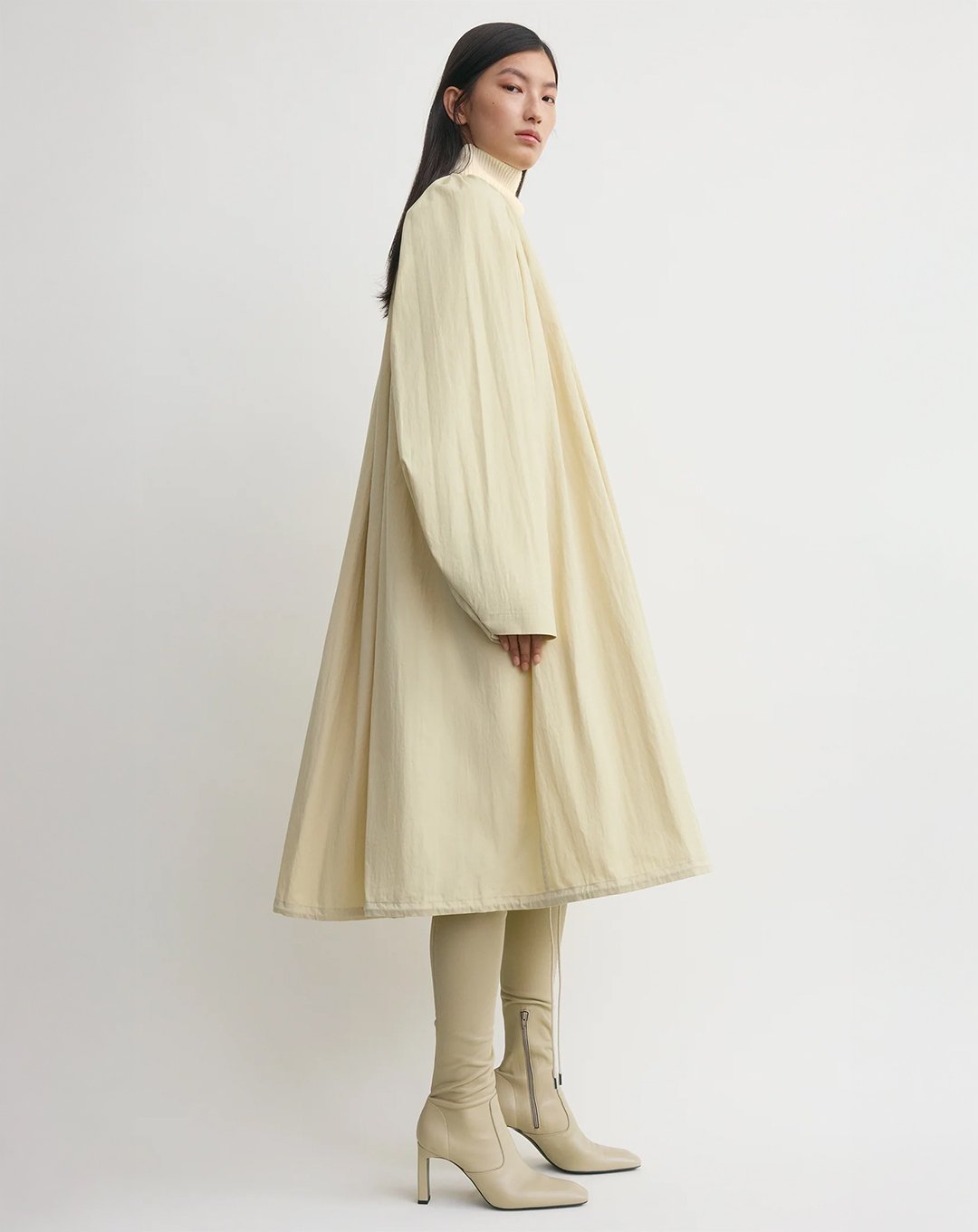
As weather becomes more extreme and unpredictable, the gap between style and function is no longer acceptable. Yet staples like raincoats and outerwear have long lagged behind — strong on aesthetics, short on real innovation. That tension is now reaching a tipping point. Searches on Lyst for waterproof boots have surged 108% year on year, while interest in waterproof coats is up 50%, signaling a clear shift in what shoppers expect from their wardrobes.
“We’re on the brink of a major shift in weather-specific apparel,” says Lee, pointing to a growing demand for garments that balance protection, adaptability, and design. In 2026, expect smarter materials, modular layers, and pieces built for actual conditions — without sacrificing style. Dressing for the weather won’t feel like a compromise anymore; it’ll feel intentional.